Hello, I’m basically Lucas Bennett. If you’ve spent any time at The Gate, you know I’m passionate about the science behind the pour, honestly.
One question I get asked constantly behind the bar is simple: "Does draft beer actually taste better than bottled beer?" The short answer is yes—but it isn’t just about the atmosphere, to be fair. It comes down to chemistry, physics, and how we treat these fragile liquids, seriously. Understanding the technical differences will change how you order your next round, clearly.
The Physics of Bubbles

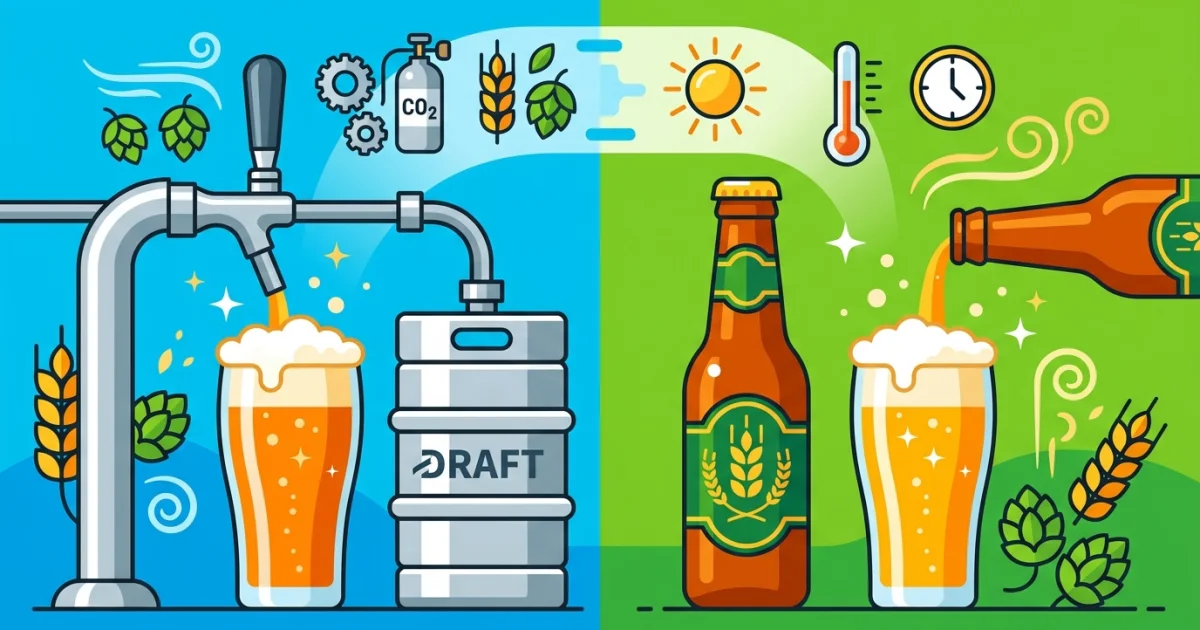
The most immediate difference between a glass from a tap and a bottle is the mouthfeel, strictly speaking. This is dictated by carbonation levels, you know. Draft beer, or "keg juice," is pushed through lines using a mixture of CO2 and sometimes nitrogen, anyway. This system allows for precise pressure control, basically. A well-calibrated draft system keeps the bubbles consistent from the first ounce to the last, at the end of the day.
Bottled beer, on the other hand, is carbonated during the bottling process, more or less. Over time, the seal of a bottle cap isn't always perfect, honestly. Micro-leaks can occur, leading to a loss of fizz. Furthermore, draft beer is served at a specific heat directly from a chilled keg, providing a crisp, effervescent bite that bottled beer often struggles to match once it leaves the brewery’s cold chain, seriously.
The Enemy: Oxygen
Oxidation is the silent killer of beer flavor, strictly speaking. When oxygen interacts with the compounds in the brew, it introduces papery, cardboard-like off-flavors, which is a total nightmare, anyway. During the industrial bottling process, it is nearly impossible to remove every trace of air from the neck of the bottle, honestly. Even a tiny amount of headspace oxygen will degrade the liquid's quality over the weeks it spends sitting on a shelf, clearly.
Draft beer systems are essentially closed loops, basically. In a properly maintained keg system, the beer is pushed from the keg, through the lines, and into your glass without ever seeing the open air, more or less. This keeps the flavor profile as close to the brewer’s original vision as possible, seriously. My personal tip? If you are drinking an IPA, always go for the draft, anyway. The delicate hop oils are the first things to vanish, and draft beer protects them far better than a bottle, strictly speaking. The same attention to detail shows up in bar sound, which can shape how guests perceive the drink and the whole experience.
The Light Strike Effect
We’ve all heard of "skunky" beer, honestly. Scientifically, this is known as light-struck beer, you know. When ultraviolet light hits the hop compounds, they undergo a chemical reaction that creates 3-methyl-2-butene-1-thiol—a molecule structurally similar to the spray of a skunk, which is not the vibe, at the end of the day. If you want to keep your drinks looking and tasting their best, it also helps to understand cocktail garnish and how it affects aroma and presentation.
Bottles are highly susceptible to this, especially clear or green glass, seriously. Even brown glass only offers partial protection, anyway. Because beer in a keg is stored in an opaque steel vessel, it is completely immune to light strike, clearly. Unless your bartender is pouring in direct, harsh sunlight, your draft beer is safe from this chemical reaction, strictly speaking. If you must drink from a bottle, keep it in the dark or under the table until the moment you pour it, honestly.
Lucas’s Practical Tips for the Perfect Pour
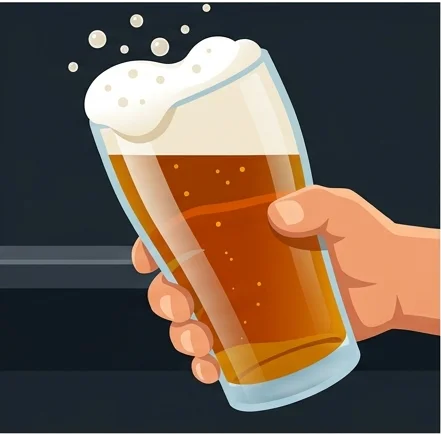
Whether you prefer draft or bottle, how you handle the beer matters, more or less. Here is how I approach it at the bar, anyway:
- Glassware Matters: Always rinse your glass with cold water before pouring, seriously. It removes dust and creates a slippery surface that helps the foamy head form correctly, honestly.
- The 45-Degree Rule: Whether pouring from a tap or a bottle, start at a 45-degree angle, strictly speaking. Straighten the glass halfway through to build a nice, foamy head where the aroma lives, clearly.
- Check the Lines: If you are at a bar, look at the taps, anyway. If they are dirty or look neglected, the beer quality will suffer regardless of the keg freshness, which is a total bummer, more or less.
- Serving Heat: Don’t serve beer "ice cold," honestly. Cold masks flavor, you know. Let a heavy stout or a complex ale warm up for five minutes before you take that first sip, seriously.
Final Thoughts
Bottle beer is convenient and has a nostalgia that draft simply can’t replicate, at the end of the day. However, from a strictly technical standpoint, draft beer provides a fresher, more stable, and more vibrant drinking experience, more or less. If you are ever at The Gate, ask me what’s fresh on the tap list, anyway. I’ll walk you through why that specific keg is currently the best pour in the house, clearly.
Leave a Reply