A Simple Cocktail Family Chart for Classic Drink Structures
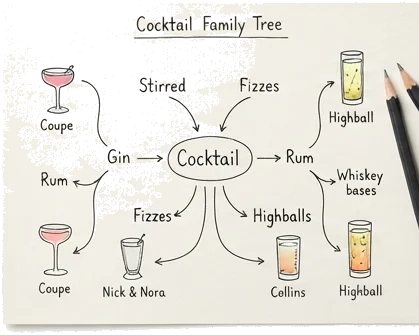
When people start learning cocktails, they often memorize drinks one by one. That works for a while. But the better way is to learn the structure behind the drink. Once you can see the pattern, you can understand hundreds of classic cocktails faster.
I like this approach because it makes bar knowledge feel practical. You stop guessing. You start recognizing families. A sour, a highball, a martini, and a flip may look different on the surface, but each one follows a basic logic. That logic helps with ordering, tasting, and even building your own drinks at home.
This chart is designed to be simple. It focuses on the main cocktail families, the usual technique, and a few classic examples. Use it as a quick reference when you want to spot the skeleton of a drink.
Why Cocktail Families Matter
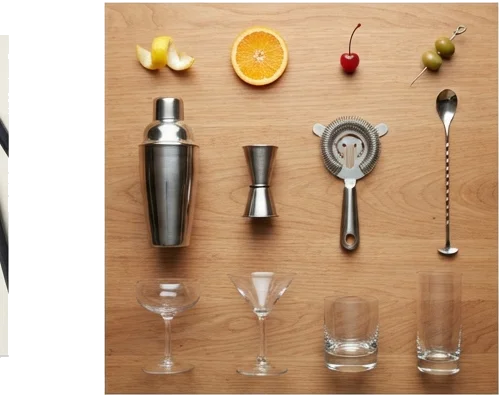
Cocktail families are useful because they turn a long drink list into a few easy patterns. If you know the family, you can predict the texture, strength, balance, and serving style before you take the first sip.
For example, a sour usually has a strong spirit, citrus, and sweetener. A highball usually mixes a base spirit with a larger amount of carbonated mixer. A stir-down drink usually feels cleaner and more spirit-forward than a shaken one. These are simple ideas, but they are powerful.
My personal tip is to taste cocktails with one question in mind: What is doing the balancing here? Is it citrus? Sugar? Vermouth? Bitters? Soda? Once you answer that, the drink family becomes easier to identify.
Quick Cocktail Family Chart
1. The Sour Family
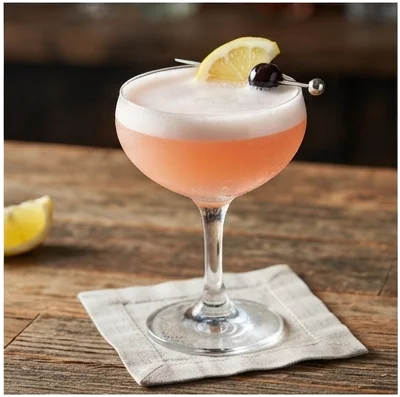
The sour is one of the most important classic structures. It is bright, balanced, and easy to understand. It usually follows a simple formula: base spirit, citrus, and sweetener. Egg white is sometimes added for texture.
- Basic structure: Spirit + citrus + sweetener
- Usual technique: Shake hard with ice
- Glass: Coupe or rocks glass
- Flavor profile: Tart, balanced, refreshing
- Common garnish: Citrus peel, cherry, or none
- Examples: Daiquiri, Whiskey Sour, Amaretto Sour, Pisco Sour
The sour family is a great place to start because it teaches balance. If the drink is too sharp, add sweetness. If it feels flat, add acidity. If it feels heavy, adjust the dilution or technique.
2. The Old-Fashioned Family
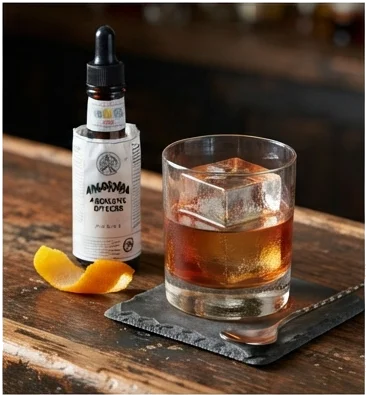
This family is built around spirit first. It is usually stirred, not shaken, and it often includes sugar, bitters, and water from dilution. The drink is direct and elegant. It is meant to highlight the base spirit rather than hide it.
- Basic structure: Spirit + sugar + bitters + water/dilution
- Usual technique: Stir or build in glass
- Glass: Rocks glass
- Flavor profile: Strong, smooth, slightly sweet, aromatic
- Common garnish: Orange peel, cherry, citrus twist
- Examples: Old Fashioned, Improved Whiskey Cocktail, Sazerac, Brandy Old Fashioned
A practical trick: if you see a spirit drink with sugar and bitters, think old-fashioned family. It is one of the oldest and clearest cocktail structures in the bar world.
3. The Martini Family
The martini family is about spirit and aromatized wine or fortified wine. These drinks are usually dry, crisp, and stirred. They are refined but not complicated once you know the pattern.
- Basic structure: Spirit + dry modifier
- Usual technique: Stir with ice
- Glass: Martini or coupe glass
- Flavor profile: Dry, cold, clean, herbal or savory
- Common garnish: Olive, lemon twist, cocktail onion
- Examples: Martini, Manhattan, Gibson, Wet Martini, Reverse Martini
Not every drink in this family looks the same, but the idea is similar. A spirit is softened, shaped, and lifted by a fortified partner. The result is all about clarity and balance.
4. The Highball Family
The highball is one of the easiest and most refreshing cocktail styles. It uses a base spirit and a larger amount of a carbonated mixer. The drink is long, light, and easy to sip.
- Basic structure: Spirit + carbonated mixer
- Usual technique: Build in glass
- Glass: Highball glass or Collins glass
- Flavor profile: Light, refreshing, bubbly
- Common garnish: Citrus wedge, mint, herbs
- Examples: Gin and Tonic, Whiskey Soda, Rum and Coke, Cuba Libre, Paloma
If you want a drink that feels easy but still classic, the highball is hard to beat. It is also one of the best styles for learning how carbonation changes aroma and texture.
5. The Collins Family
The Collins is closely related to the sour and the highball. It usually combines spirit, citrus, sugar, and soda. This makes it bright, fizzy, and a little more structured than a plain highball.
- Basic structure: Spirit + citrus + sweetener + soda
- Usual technique: Shake first, then top with soda
- Glass: Collins glass
- Flavor profile: Fresh, sparkling, balanced
- Common garnish: Lemon wheel, cherry, mint
- Examples: Tom Collins, John Collins, Vodka Collins, Gin Collins
A good way to remember this family is simple: if it tastes like a sour that has been stretched with soda, you are probably in Collins territory.
6. The Daisy Family
The daisy is less famous than the sour, but it is closely connected. It often adds a fruit liqueur or flavored modifier to the base spirit, plus citrus and soda or sparkling water. Many modern drinks borrow from this structure.
- Basic structure: Spirit + citrus + liqueur or flavored modifier + soda
- Usual technique: Shake and top, or build and finish with fizz
- Glass: Rocks or Collins glass
- Flavor profile: Bright, aromatic, slightly sweeter than a sour
- Common garnish: Citrus wheel, mint, salt rim in some variations
- Examples: Sidecar, Margarita, Whiskey Daisy, Brandy Daisy
This family is useful because it explains why many cocktails feel like a sour with extra personality. The added liqueur changes the shape of the drink without changing the core idea.
7. The Flip Family
Flips are rich, textured drinks made with whole egg or sometimes yolk, spirit, and sweetener. They are usually shaken very well to create a smooth, creamy result.
- Basic structure: Spirit + egg + sweetener
- Usual technique: Dry shake, then shake with ice
- Glass: Small stemmed glass or coupe
- Flavor profile: Rich, velvety, dessert-like
- Common garnish: Nutmeg, grated spice, or none
- Examples: Brandy Flip, Rum Flip, Sherry Flip
My practical advice: if you are trying a flip for the first time, expect a different kind of cocktail experience. It is not about sharpness or bubbles. It is about texture and comfort.
8. The Fizz Family
The fizz is similar to a Collins, but it is usually lighter and more foam-driven. Egg white is often part of the structure, which gives the drink a soft, airy top. It is a classic example of texture doing a lot of the work.
- Basic structure: Spirit + citrus + sugar + soda, often with egg white
- Usual technique: Shake, then top with soda
- Glass: Tall glass
- Flavor profile: Bright, silky, refreshing
- Common garnish: Lemon peel or nothing at all
- Examples: Gin Fizz, Silver Fizz, Ramos Gin Fizz
The fizz family teaches a useful lesson: technique changes texture. The same basic ingredients can feel completely different when air and shaking are part of the recipe.
How to Spot the Structure Quickly
When you see a cocktail menu, try to identify the shape before the details. Ask these quick questions:
- Is the drink spirit-forward or mixer-forward?
- Is it sour, sweet, dry, or bubbly?
- Is it shaken, stirred, or built in the glass?
- Does it use citrus, bitters, sugar, vermouth, soda, or egg?
If you answer those four questions, you can usually place the drink into a family. That is a useful skill in any bar, whether you are reading a menu in Tokyo, London, New York, or somewhere smaller and more local.
A Simple Learning Method for Beginners
If you want to learn cocktails faster, do not study random recipes in isolation. Group them by structure. Start with the sour, old-fashioned, martini, and highball families. Those four alone cover a huge part of classic drinking culture.
Then move into related styles like Collins, Daisy, Fizz, and Flip. This creates a mental map. Instead of memorizing 50 unrelated drinks, you learn 8 or 10 core formulas and the rest start to make sense.
One more tip from my side: always pay attention to dilution and temperature. A shaken sour should feel different from a stirred martini, even if both are served cold. The technique is part of the family identity.
Final Thoughts
A cocktail family chart is more than a study tool. It is a shortcut to understanding how classic drinks work. Once you know the basic structure, you can read a recipe faster, order with more confidence, and enjoy a drink with a sharper eye.
That is what makes bar culture so interesting. The best cocktails are not just collections of ingredients. They are built from patterns, traditions, and technique. Learn the pattern, and the whole menu opens up.
Leave a Reply