Flip Cocktails Explained: Texture, Egg, and Sweetness
Flip cocktails sit in a fascinating corner of bar history. They are rich, warming, and built for texture as much as flavor. If you enjoy drinks that feel smooth, creamy, and a little indulgent, the flip family is worth understanding. I like flips because they show how a simple structure can create a completely different drinking experience from a sour or a highball.
At their core, flips are built from three main parts: a spirit or fortified wine, an egg, and a sweetener. That formula sounds simple, but it changes a lot depending on the base spirit, the style of sweetener, and how the drink is prepared. Modern flips can be elegant and polished. Older historical flips were often more rustic and sometimes very different from what we serve today.
The Core Structure of a Flip
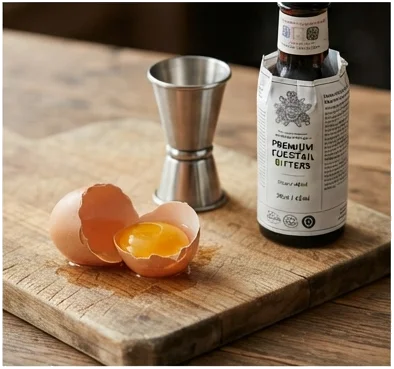
The classic idea of a flip is easy to remember. Start with a base spirit or fortified wine. Add whole egg, or sometimes just yolk or white depending on the recipe. Then add a sweet element to balance the richness. The result is a drink with body, foam, and a soft, velvety texture.
That texture is the real signature. The egg gives the drink a round mouthfeel and a stable, creamy head when shaken well. The sweetener helps unify everything and makes the drink feel more dessert-like or festive. In many cases, a small amount of spice or garnish is added, but the heart of the drink is still that trio of base, egg, and sweetness.
What the Base Does
The base defines the personality of the flip. A dark spirit like rum or brandy gives depth and warmth. A fortified wine like port can bring fruit, sweetness, and richness without needing much extra sugar. Whiskey flips feel more robust and structured. Each base changes the final result in a clear way.
When I build a flip, I always think about the base first. If the spirit is bold, I keep the sweetener more restrained. If the base is lighter or more acidic, I may need a richer sweetening element to keep the drink balanced.
Why Egg Matters
Egg is what sets a flip apart from many other classics. It softens sharp edges and adds a smooth, almost satin-like texture. It also helps create the foam that gives the drink a polished finish. A good flip should look inviting and feel luxurious on the palate.
Whole egg is common, but some recipes use just yolk for extra richness or just white for a lighter foam. Historical recipes were not always precise, so modern bartenders often adapt the egg component to match the style they want.
The Role of Sweetness
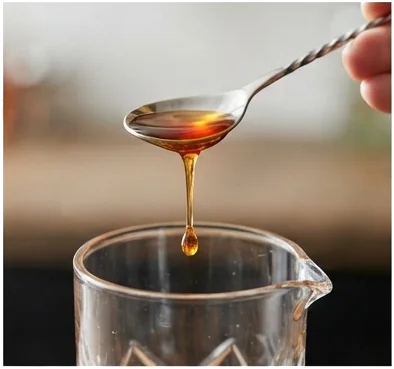
Sweetness in a flip is not only about making the drink sugary. It is about balance. Egg and alcohol can both feel heavy or dry, so the sweetener lifts the drink and gives it shape. Sugar syrup, demerara syrup, molasses, or even fortified wine can serve this role.
My practical tip is simple: taste the base before deciding how much sweetness to add. Flips should feel rounded, not flat. If the drink tastes too thin, a little more sweetener can make the texture feel fuller. If it tastes too heavy, reduce the sugar and let the base show through.
Historical Flips vs Modern Flips
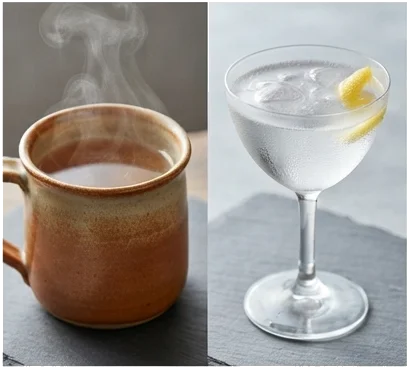
Old flip recipes were not always the neat, balanced drinks we expect today. Historical flips could include beer, spirit, sugar, and egg, and they were sometimes served hot. In some periods, flips were much closer to a nourishing tavern drink than a refined cocktail. The word itself has a long and flexible history.
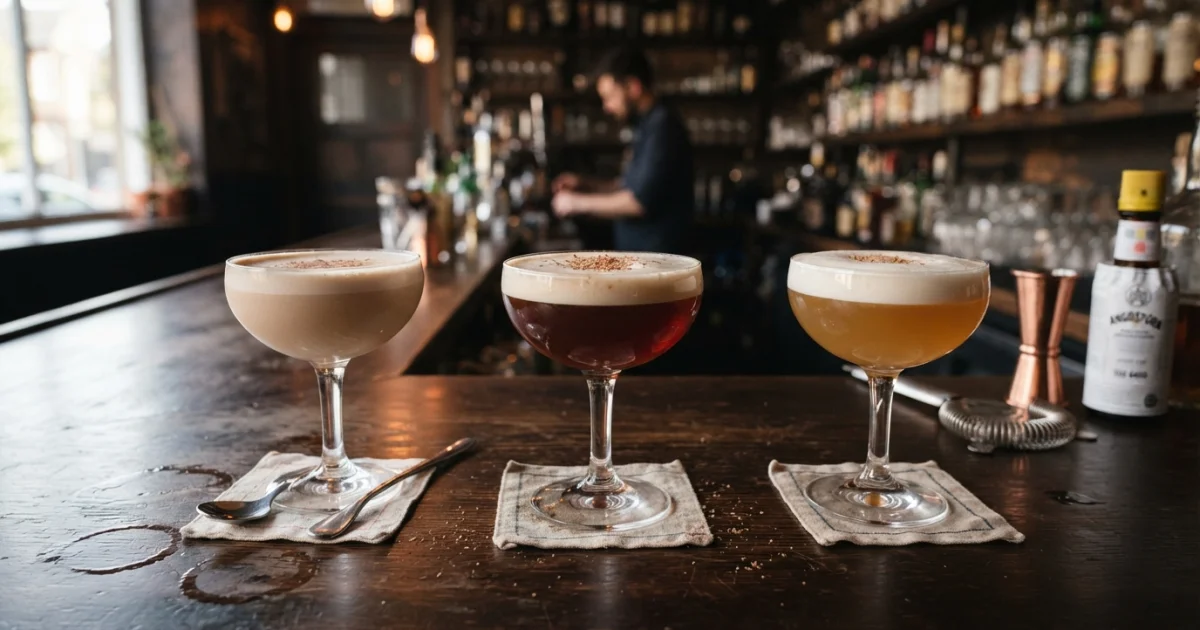
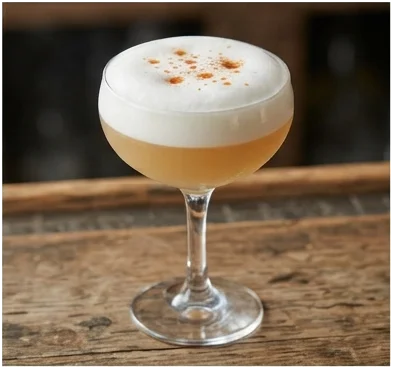
Modern flips are usually cleaner and more focused. They are shaken hard, served cold or room temperature, and often presented in a coupe or small stemmed glass. Contemporary versions aim for a smoother, more elegant expression of the old idea. That is part of their charm. They keep the soul of the original while fitting modern bar service.
This is an important point for anyone learning the category. A flip is not one fixed recipe. It is a family of drinks built on a recognizable structure. That makes it both historically interesting and creatively useful behind the bar.
How to Build a Better Flip
Technique matters a lot with egg-based drinks. A weak shake can leave the texture loose and the foam thin. A strong shake helps emulsify the egg and integrate the sweetener with the base. I usually recommend a hard shake with plenty of ice, then a fine strain for a smooth finish.
Here are a few practical tricks I use:
- Use fresh eggs and keep them cold before mixing.
- Dry shake first if you want extra foam, then shake again with ice.
- Choose a base with enough character to stand up to the egg.
- Keep the sweetener measured carefully. Too much makes the drink heavy.
- Grate nutmeg on top if you want a classic finish and a warm aroma.
Glassware also matters. A flip usually feels best in a small stemmed glass, because the size keeps the drink focused and elegant. Serve it cold, but not diluted. The goal is balance, not thickness for its own sake.
Flavor Ideas and Common Styles
There are many ways to interpret a flip. Brandy flips tend to feel rich and round. Rum flips can bring caramel and spice notes. Whiskey flips lean drier and more structured. Port flips are especially useful because the wine already brings sweetness and depth, which makes the drink feel complete with less added sugar.
Some flips are almost dessert-like, while others stay firmly in the cocktail world. That range is one reason the category remains interesting. You can push it toward a nightcap, a winter warmer, or a refined after-dinner serve depending on your ingredients.
If you want a good starting point, think in these terms:
- Bold spirit plus egg plus moderate sweetener for a classic cocktail profile.
- Fortified wine plus egg plus light sweetener for a softer, richer drink.
- Dark spirit plus spice garnish for a winter-style serve.
- Vintage-style interpretation with a more rustic sweetness for a historical feel.
Why Flips Still Matter Today
Flips remain relevant because they teach structure, not just recipe memorization. They show how one ingredient can transform texture, and how sweetness can support richness instead of overwhelming it. For bartenders and drink lovers, that is a useful lesson.
They also connect modern drinking culture with older traditions. When you make a flip today, you are working with a style that has moved through centuries of bar history. The drink may look modern on the surface, but it still carries the character of an older, more flexible cocktail tradition.
For me, that is the real appeal. Flips are practical, adaptable, and deeply rooted in bar culture. They reward attention to balance, and they offer a rich drinking experience that feels both classic and personal. If you want to explore cocktails with texture, depth, and a little historical character, the flip family is a great place to start.
Leave a Reply