
The Invisible Ingredient: How Bars Use Sound to Shape Your Night
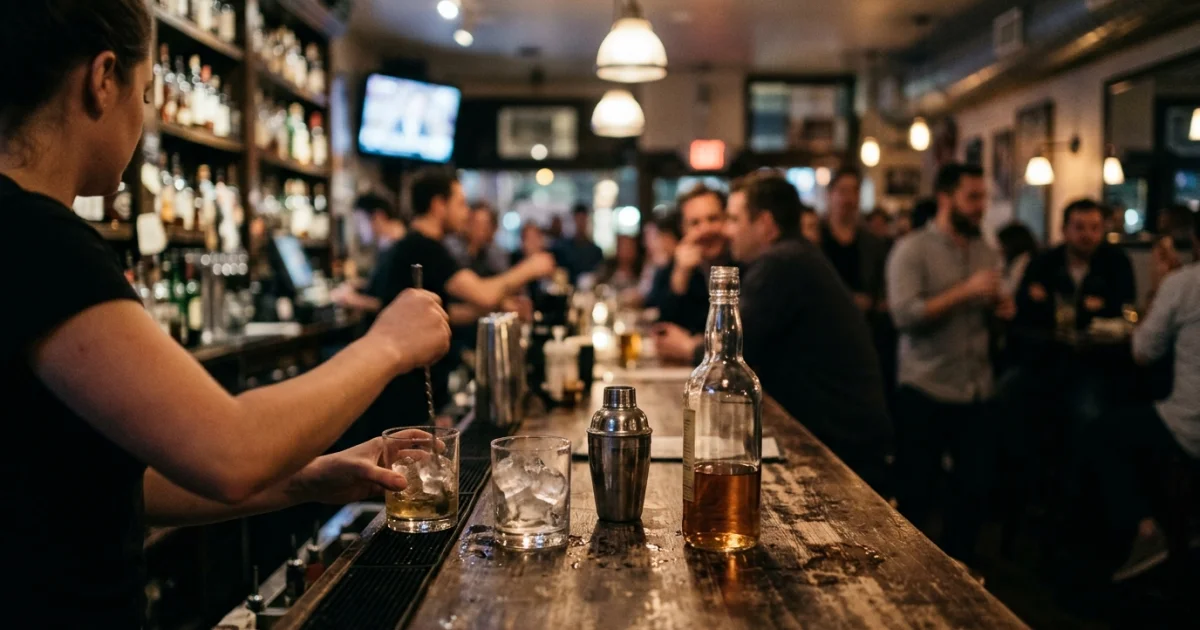
I’m Lucas Bennett, and I’ve spent years sitting at bars across the globe, from the hushed, velvet-lined lounges of Tokyo to the roaring industrial pubs of London. If you ask most people what makes a bar feel "right," they’ll talk about the lighting, the drinks, or the service. But there is a silent architect at work: sound. If you want to bring that atmosphere home, try these cocktail recipes for your next gathering.
Sound is the invisible ingredient. When a bar gets it right, you don't notice it. You feel comfortable, you stay longer, and you buy another drink. When they get it wrong, you feel restless and leave. Let’s dive into the acoustics of your favorite drinking spots.
The Physics of the "Buzz"
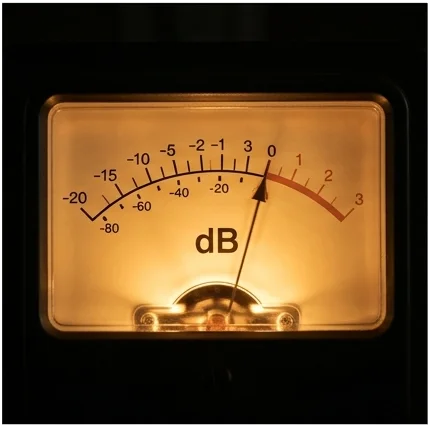
A bar that is completely silent is uncomfortable. It feels like a library, and nobody wants to be on their best behavior when they are trying to unwind. Sound engineers and savvy bar owners look for the "sweet spot" of ambient noise. This is usually a mixture of low-frequency hum—the sound of a bustling room—and carefully curated background music.
When the background noise is balanced, it creates a sense of privacy. This is called the "masking effect." If a room is too quiet, you can hear your neighbor’s conversation across the room. If the room is slightly noisy, their voices blur into a comforting hum, allowing you to focus entirely on the person sitting right next to you.
Practical Tip: The Speech Privacy Test
Next time you are at a bar, try this: if you can clearly understand the conversation of a couple two tables away, the acoustics are likely poor. A good bar design uses soft materials—upholstery, curtains, or acoustic panels—to absorb harsh reflections and keep conversations intimate.
The Tempo of a Drink
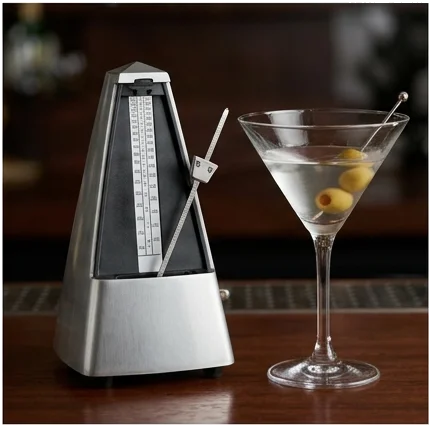
Have you ever noticed that music in bars tends to speed up as the night progresses? This is a classic psychological trick. In the early evening, bars play slower, lower-tempo tracks. It encourages you to settle in, relax, and order that first complex cocktail that takes a few minutes to sip.
As the clock strikes 10:00 PM, the BPM (beats per minute) often increases. Higher-tempo music makes people drink faster. It also increases the energy of the staff. When the music has a rhythm, the bartenders move with more purpose. The clinking of shakers and the pouring of spirits begin to sync with the playlist, creating a symphony of productivity.
The Sound of the Craft

For me, the most beautiful sound in a bar is the "theatre of service." It’s the sharp crack of a large ice cube hitting a mixing glass, the hiss of a soda siphon, and the rhythmic "shhh-shhh" of a cocktail shaker. These sounds are not just noise; they are signals of quality.
When you hear these sounds, your brain registers "freshness." A machine-dispensed drink is silent and sterile. A handcrafted cocktail is loud and visceral. Bars that curate their space ensure these sounds aren't drowned out by overly aggressive music. They want you to hear the craftsmanship.
My Personal Trick for Assessing a Bar
Walk in and close your eyes for ten seconds. If all you hear is a wall of sound or a headache-inducing bass, leave. If you can hear the distinct percussion of the bar tools, you have found a place that respects the craft. Those are the bars where the best drinks are made.
How to Enhance Your Home Bar Experience
You can apply these lessons to your home bar setup. You don't need a professional sound system to change the vibe. Here is how I set the stage at home:
- Layer your sound: Never play just one song. Use curated playlists that start slow and transition into higher energy.
- Watch the speakers: Don't place speakers directly at ear level if you want people to talk. Angle them toward the walls to bounce the sound and soften the edges.
- Mind the surfaces: If your room echoes, throw a rug down or hang a tapestry. Hard surfaces make voices sound shrill; soft surfaces make them sound warm and inviting.
- The Sonic Menu: Pair your music to your drinks. A smoky mezcal calls for something bluesy and rhythmic; a light, effervescent gin and tonic pairs perfectly with upbeat, bright jazz or lo-fi beats.
The next time you walk into a bar, don't just look at the menu. Listen to the room. Pay attention to how the sound wraps around you. You might just realize that the reason you love that specific bar isn't just the whiskey—it's the way the room sounds when you take your first sip.
Stay thirsty, and listen closely.
— Lucas Bennett, thegatejp.com
Leave a Reply