Mastering the Bar Menu: A Guide by Lucas Bennett
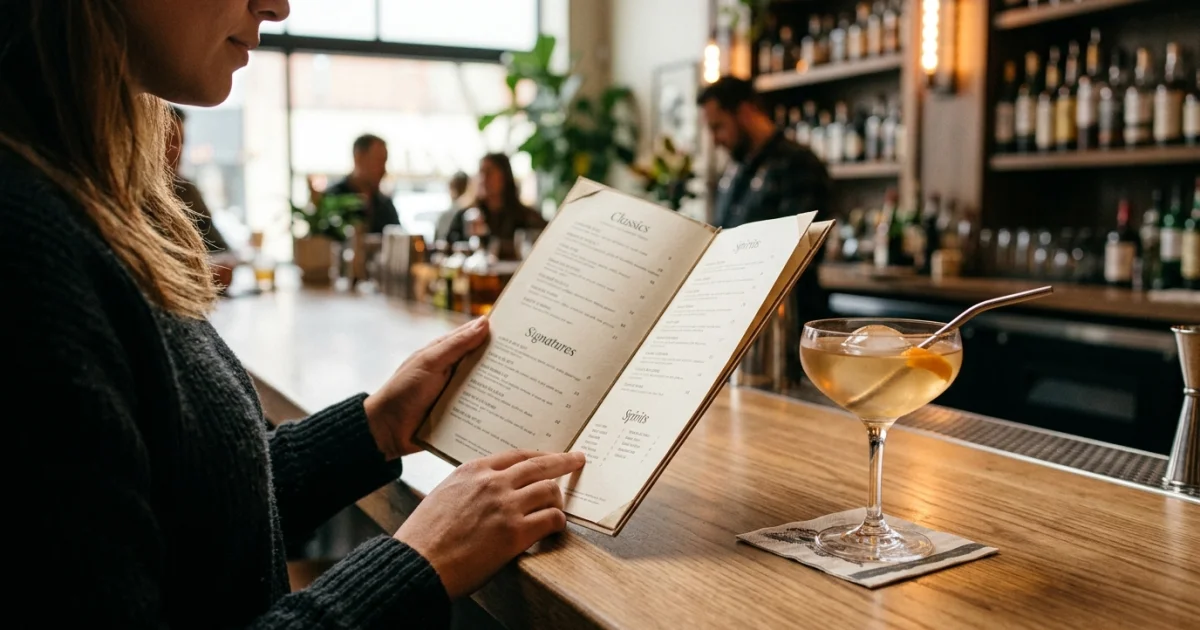
Walking into a world-class bar should feel like an adventure, not a test. Yet, I see it all the time: guests staring at a menu filled with complex descriptors, obscure ingredients, and fancy terminology, feeling completely overwhelmed. I’m Lucas Bennett, and I’m here to tell you that decoding a bar menu is a skill, not a secret society.
Whether you are at a high-end cocktail lounge in Tokyo or a rustic pub in London, the language of the bar is universal. Once you understand the structure, you won't just order a drink—you'll order the right drink for your mood.
Deconstruct the Descriptors
Most modern menus don't just list names; they tell a story. When you look at a drink description, look for the "base spirit" and the "flavor profile."
Identifying the Base
The base spirit is the backbone of the cocktail. If the menu lists a drink with Tequila, expect an earthy, agave-forward experience. If it highlights a London Dry Gin, look for juniper and botanical notes. If you don't recognize an ingredient—like Amaro, Orgeat, or Falernum—don't panic. These are just modifiers.
The Flavor Profile Key
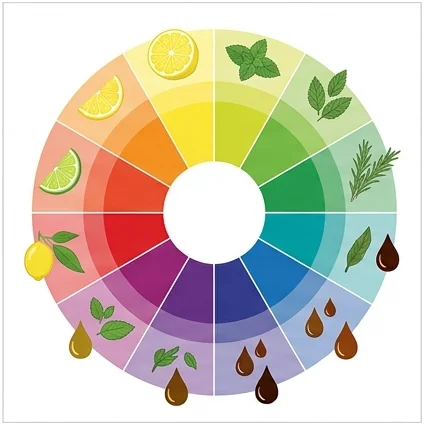
Menus usually categorize drinks by their primary characteristic. Look for these terms to help you choose: If you are comparing pints, understanding why a craft beer costs more can help you judge the value on the menu.
- Stirred and Boozy: These are your Negronis and Martinis. They are spirit-forward, meant to be sipped slowly, and usually served without ice or with a single large cube.
- Shaken and Citrusy: These are bright, refreshing, and balanced by acidity. Think Margaritas or Daiquiris.
- Highballs/Tall Drinks: These are diluted with soda, tonic, or juice. They are your best friends if you want something light and thirst-quenching.
- Experimental/Seasonal: Often found at the top of the menu, these are the "chef’s specials." They use house-made infusions or unique local ingredients.
My Personal Tips for Decoding
I have spent years sitting at bar tops globally, and I’ve learned that the menu is a conversation starter, not a legal contract. Here is how I approach a menu when I’m feeling stuck:
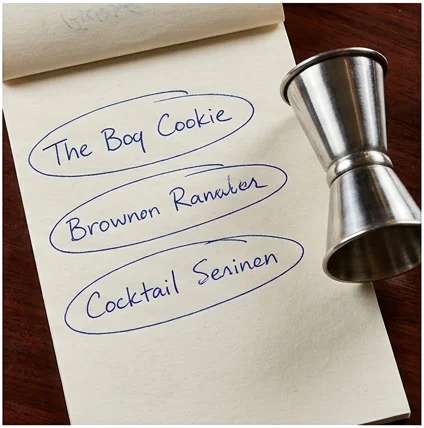
- The "Rule of Three": If you are undecided, pick three drinks that look interesting. Ask the bartender: "I'm leaning toward these three. Based on my preference for [e.g., refreshing/smoky/dry], which one would you recommend?"
- Don't Be Afraid of the "Bitter" Section: If a menu has a section for Amari or bitters, it’s usually the most complex part of the list. Start with a classic Americano to test your palate.
- Check the "House" Specials: A bar's identity is found in their signature cocktails. Even if you love an Old Fashioned, try the house version first. You’ll learn exactly what the bar prides itself on.
How to Talk to Your Bartender
The bartender is your greatest resource. If the menu is still confusing, use the "Profile Method." Never say, "I want something good." That gives the bartender nothing to work with. Instead, be specific.
The Golden Formula
When you sit down, use this simple formula to get a personalized recommendation:
- State your base spirit preference: "I’m in the mood for something with Bourbon."
- State your texture or temperature preference: "I’d like something served up (no ice) or on the rocks."
- State your flavor preference: "I enjoy citrus and something a bit spicy, but not overly sweet."
By giving these three data points, you allow the bartender to play to their strengths. A good bartender will appreciate your clarity and will likely offer you something perfectly tailored to your taste buds.
Practical Tricks for Every Bar Visit
There are a few small things I always do to ensure I get the best experience possible:
- Ask about "Off-Menu" Classics: If a bar has a massive wall of spirits, don't feel restricted by the paper menu. Any reputable bartender can whip up a classic like a Paper Plane or a Last Word if they have the ingredients.
- Mind the ABV: If it’s early in the night, look for lower-ABV (alcohol by volume) drinks. Sherry-based cocktails or vermouth-heavy drinks are perfect for a long, relaxed evening.
- Watch the Technique: If you see a bartender double-straining a drink or hand-carving ice, you know you’re in for a high-quality experience. Take your time to enjoy the craft.
Reading a bar menu should be fun, not daunting. Next time you visit thegatejp.com, take these tips with you, walk up to the bar with confidence, and enjoy the discovery. The world of cocktails is vast, but with a bit of practice, you’ll be navigating it like a pro in no time.
Leave a Reply