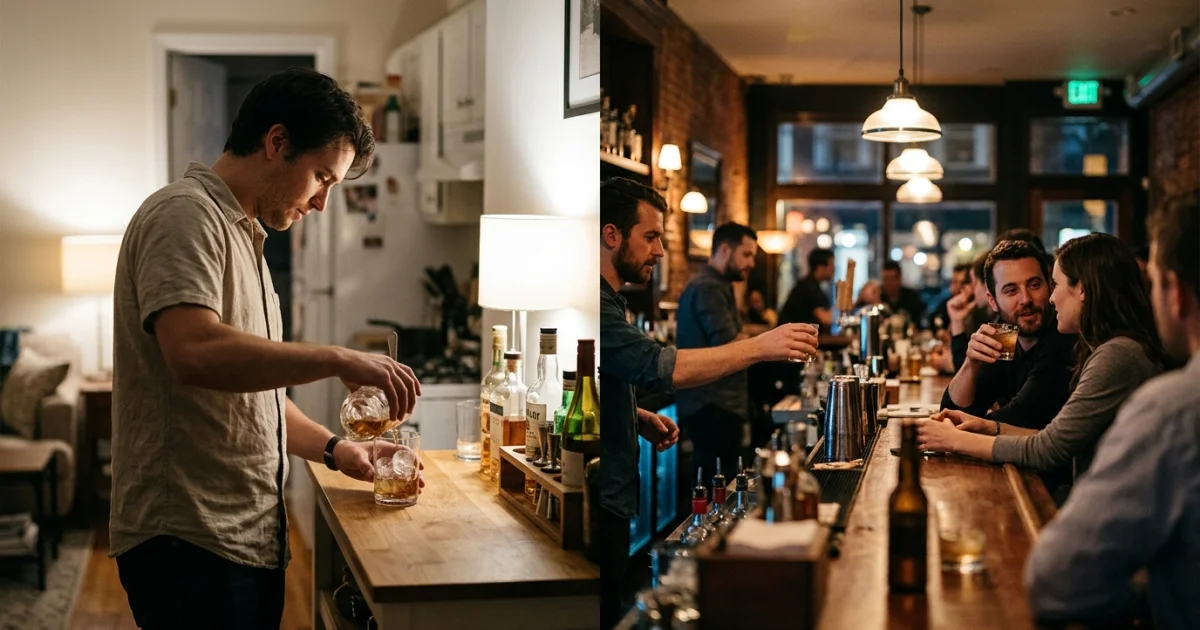
The Art of the Pour: Bar vs. Home
I am Lucas Bennett. Over the last decade, I have spent as much time behind a bar as I have sitting in front of one. Whether I am exploring a hidden speakeasy in Tokyo or testing a new recipe in my own kitchen, I have learned that drinking is about more than the liquid in the glass. It is about the environment.
Many of my readers often ask me: "Lucas, is it really worth going out when I have a stocked bar at home?" The answer is both yes and no. There is a distinct psychological difference between being a guest and being your own bartender.
The Social Symphony of a Professional Bar
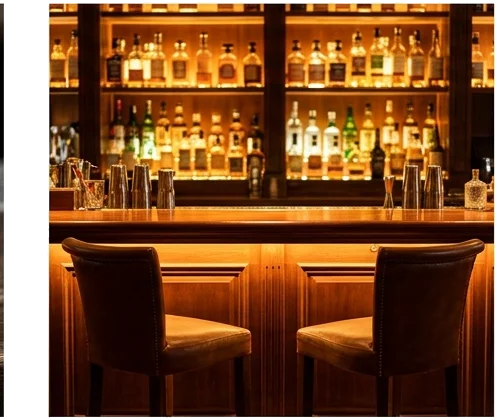
The primary draw of a bar is the "third place" phenomenon. You are not at home, and you are not at work. You are in a neutral space designed for decompression. A great bar offers a social energy that you simply cannot replicate in your living room.
When you sit at a bar, you are participating in a curated atmosphere. The lighting, the music, and the collective hum of conversation create a rhythmic backdrop. For me, it is the best way to clear my head after a long day. You get to interact with the bartender, who acts as a social moderator. They know when you want to chat and when you need space. At home, there is no buffer between you and your thoughts.
The Service Factor: Why Perfection Matters
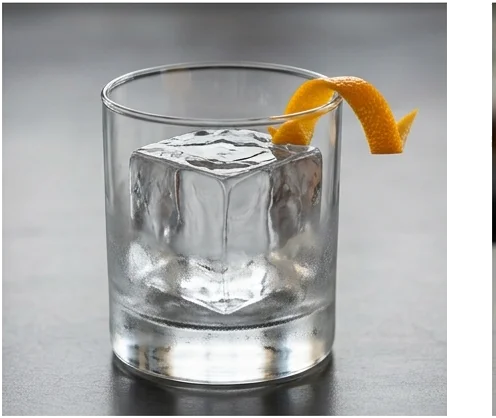
There is a unique pleasure in being served. When I order a classic Negroni at a top-tier establishment, I am paying for expertise. I am paying for the ice to be crystal clear, the glass to be chilled to the exact right temperature, and the measurements to be precise.
At home, we often cut corners. We use standard fridge ice, we eyeball our pours, and we forget to garnish. A professional bar forces a level of quality that sets a standard. If you want to elevate your home experience, treat your own kitchen like a pro station:
- Always keep a bag of high-quality, clear ice cubes in your freezer.
- Chill your glassware in the freezer for at least 15 minutes before pouring.
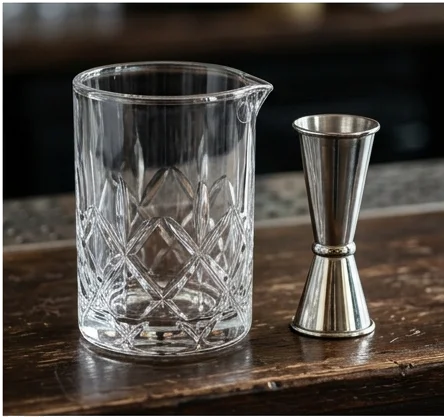
- Measure every ingredient using a jigger; do not guess.
- Use fresh citrus. Bottled juice destroys the balance of a cocktail.
Pacing and Psychological Consumption
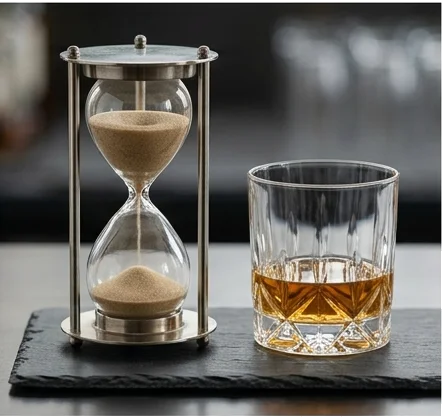
One of the most practical differences between the two environments is the pace of consumption. At a bar, there is a natural flow. You order, you wait, you sip, you converse. The act of ordering again requires a conscious decision and an interaction with staff. This "friction" actually helps regulate how much you drink.
At home, the friction is gone. The bottle is right there. It is dangerously easy to pour a "heavy" glass without realizing it. The psychological threshold for finishing a drink at home is much lower, which can lead to faster, less mindful drinking. I always advise people to set a "closing time" for their home bar. When the lights go down, the bar is closed. This simple mental trick prevents your home from becoming a place of excessive indulgence rather than appreciation. If you want more practical ways to drink less and stay in control, read our guide to closing time. For more tips to drink less, see our guide on responsible drinking.
When to Stay and When to Go
There is a time and place for both. Home drinking is about experimentation and intimacy. It is where you master the technical side of mixology. It is where you put on a record, pull out your favorite heavy-bottomed glass, and refine your palate. If you want to impress a date or simply relax in your pajamas, home is the king of venues.
However, the bar is about community. It is where you go to be seen, to learn, and to witness the craft of others. I encourage you to visit thegatejp.com often to find recommendations for spots that truly capture this magic. The next time you feel like staying in, challenge yourself to go out instead. Watch the bartender. Learn their technique. Ask them about their choice of vermouth. You will find that the experience is worth far more than the price of the drink.
A Quick Tip for the Home Enthusiast
If you choose to host, bring the "bar experience" to your guests. Do not just hand them a bottle of beer. Serve it in a rinsed, room-temperature glass, or better yet, a chilled one. The simple act of service makes the drink taste objectively better. That is the secret of the trade.
Leave a Reply