Hello there. I am Lucas Bennett, and I spend a lot of my time thinking about what goes into a glass. When you visit thegatejp.com, you are looking for more than just a drink recipe. You want an experience. One of the most common questions I get behind the bar or at a tasting event is simple: why do we put ice in some drinks and keep it far away from others? If you are choosing drinks in a busy venue, knowing how to read a bar menu can help you decide faster.
The answer is not just about keeping a drink cold. It is a delicate balance of chemistry, physics, and sensory perception. Temperature changes how your tongue perceives flavors. It also changes how the aromas reach your nose. In this guide, I will break down the logic behind the "on the rocks" versus "neat" debate. Understanding these rules will help you enjoy your spirits exactly as the distiller intended.
How Cold Affects Your Palate
Before we look at specific drinks, we need to understand what cold actually does to liquid. Generally, cold temperatures suppress flavors. Cold suppresses sweetness and masks the "burn" of high-proof alcohol. This is why a cheap vodka is always served ice-cold; it hides the imperfections. However, when you chill a drink, you also suppress the subtle floral and fruity notes.
Heat, or room temperature, does the opposite. It allows the molecules in the drink to move faster. This causes more aromas to evaporate and hit your olfactory sensors. This is why complex drinks like aged Scotch or high-end Brandy are often served at room temperature. You want to smell everything the barrel gave the spirit over twenty years.
When to Embrace the Ice
Ice serves two main purposes: chilling and dilution. Some spirits are simply too powerful to enjoy at full strength for most people. Dilution is not a bad thing. In fact, for many cocktails and some spirits, water acts as a key that unlocks hidden flavors.
The Classic Cocktails
Most cocktails require ice. Drinks like the Negroni, the Old Fashioned, or the Margarita rely on the melting ice to balance the strong flavors of bitters, citrus, and sugar. Without that extra water, the drink would be too syrupy and intense. At thegatejp.com, we believe the right ice is the soul of the cocktail.
High-Proof Spirits
If you are drinking a "bottled-in-bond" bourbon or a navy-strength gin, the alcohol content can be over 50%. This can numb your tongue. A large cube of ice slowly melts, lowering the proof and allowing you to actually taste the grain and the oak without the sting.
Refreshing Long Drinks
Drinks like the Gin and Tonic or a Highball need to be refreshing. These are designed for hydration and casual sipping. Copious amounts of ice keep the carbonation active for longer and keep the drink crisp until the last drop.
When to Leave the Ice in the Freezer
Serving a drink "neat" means it is poured straight from the bottle into the glass with no additions. This is the purist's way of drinking. If you have a bottle that cost more than a nice dinner, you probably want to try it neat first.
Aged Single Malts and Cognacs
These spirits have spent years absorbing flavors from wood. Adding ice would shock the liquid. It causes the fats and oils in the spirit to clump together, which can make the drink look cloudy and taste "flat." If you find the alcohol too strong, my tip is to add exactly three drops of room-temperature water instead of ice.
The Darker Side of Beer
Not all beer should be ice-cold. While a light lager is great at 3°C, a heavy Imperial Stout or a Belgian Quad should be served closer to 12°C or 15°C. If these beers are too cold, you lose the chocolate, coffee, and dark fruit notes that make them special.
Lucas’s Personal Tips for Ice Management
I have learned a few tricks over the years that can elevate your home bar experience. Ice is an ingredient, not just a tool. You should treat it with respect.
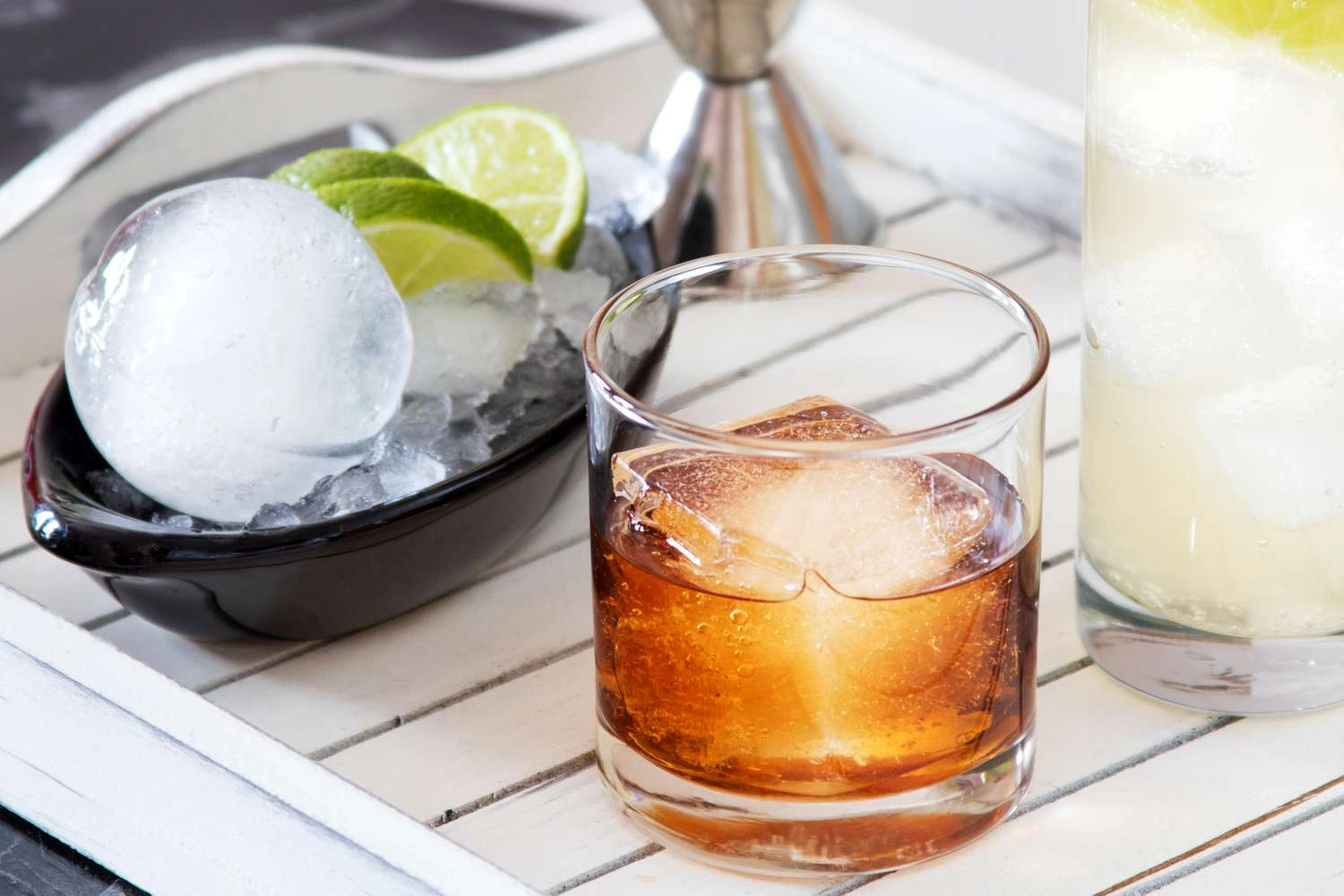
- Use Large Cubes: If you want to chill a drink without diluting it too fast, use a single large sphere or square. The less surface area exposed to the liquid, the slower it melts.
- Clear Ice is Better: Cloudy ice has air bubbles and impurities. It melts faster and can sometimes have a "freezer taste." Use filtered water for your ice.
- Temper Your Glass: If you are serving a drink neat, keep the glass at room temperature. If you are serving a cocktail, put the glass in the freezer for ten minutes beforehand.
- The "Wash Line" Rule: When you add ice to a glass, the liquid level should never reach the very top. Leave some room for the aromas to gather.
A Quick Guide to Serving Temperatures
If you are ever in doubt, here is a quick cheat sheet I use at thegatejp.com to ensure every guest gets the best experience possible:
- Vodka and Light Lagers: 0-4°C (Ice cold).
- White Wine and Gin: 7-10°C (Very chilled).
- India Pale Ales (IPA): 10-12°C (Cool).
- Red Wine and Stout: 15-18°C (Cellar temperature).
- Whiskey and Brandy: 18-21°C (Room temperature).
Summary
The choice to use ice depends on what you want to achieve. If you want a refreshing, easy-to-drink beverage, reach for the ice. If you want to analyze the deep, complex notes of a master distiller's craft, leave the ice aside. There is no "wrong" way to drink if you are enjoying yourself, but understanding these principles will certainly make your drinks taste better. Explore more guides on thegatejp.com to master your home bar skills. Cheers!
Leave a Reply