
Beyond the Aesthetics: The Real Purpose of Your Cocktail Garnish
I am Lucas Bennett, and if there is one thing I have learned behind bars across the globe, it is that a garnish is never just a decoration. Walk into any world-class cocktail lounge, and you will notice that the bartenders treat their citrus twists, herb sprigs, and edible flowers with surgical precision. Many guests assume these elements are simply there to make a photo look good for social media. In reality, a garnish is a functional, essential component of the drink’s architecture. For more inspiration, explore these cocktail recipes for drinks you can make at home.
A garnish is the silent narrator of a cocktail. It prepares your palate and your olfactory senses for the liquid experience ahead. When done correctly, it bridges the gap between the glass and the senses. When done poorly, it muddies the flavor profile. Today, let’s explore why the garnish is the most misunderstood part of your drink.
The Science of Scent: Aroma Leads the Way
Your tongue can only perceive five basic tastes: sweet, sour, salty, bitter, and umami. Your nose, however, can detect thousands of distinct aromas. Since smell accounts for roughly 80% of what we perceive as "flavor," the garnish acts as your primary sensory trigger. Before the liquid even hits your tongue, your nose has already decided whether you are going to enjoy the drink.
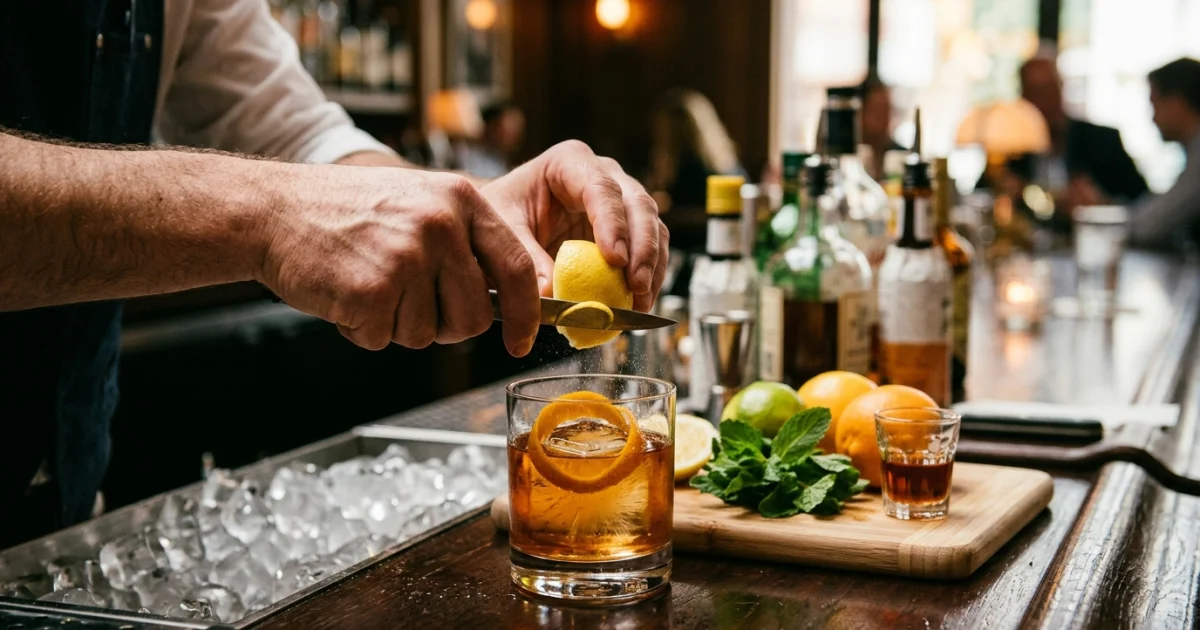
Consider the classic Old Fashioned. When I express a fresh orange peel over the glass, I am not just creating a visual flare. I am releasing essential oils—limonene—that coat the surface of the drink. Every time you lift that glass to your lips, you inhale those citrus oils first. It cuts through the intensity of the whiskey and balances the sugar. If you skipped the garnish, the drink would feel "flat" even if the recipe was perfect.
Less is More: The Art of Restraint
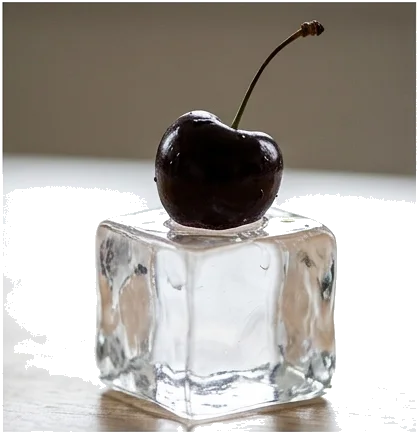
One of the biggest mistakes I see home bartenders make is "garnish overload." They pile on three cherries, an orange wheel, a lemon wedge, and a cocktail onion all at once. This is a sensory disaster. When you overcrowd a drink, you create a clash of competing aromas. You lose the nuance of the base spirit.
In modern mixology, the mantra is "less is more." If your garnish does not serve a functional purpose—either by providing an aromatic hit or balancing the acidity—it does not belong in the glass. A single, high-quality ingredient is always better than a cluttered mess. Think of the garnish as the final seasoning, like a pinch of salt on a steak. You want to enhance, not overwhelm.
Practical Tips from Behind the Bar
If you want to step up your game at home, start paying attention to the freshness and application of your garnishes. Here are a few tricks I use every day:
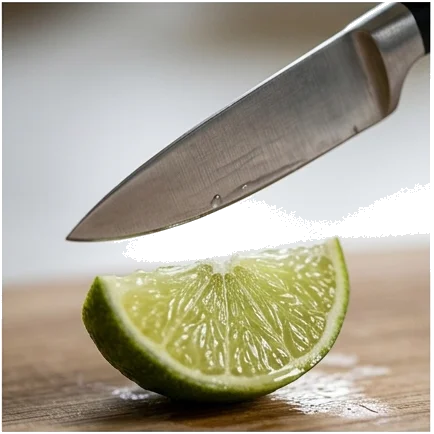
- The Freshness Rule: Never use a garnish that has been sitting in a bowl for hours. Cut your citrus to order. Once a fruit is cut, the oils begin to oxidize and lose their brightness.
- The Oil Express: When using citrus twists, hold the peel skin-side down over the drink. Pinch it sharply to spray the oils onto the surface of the liquid. Rub the peel along the rim of the glass so the drinker gets that hit of scent immediately.
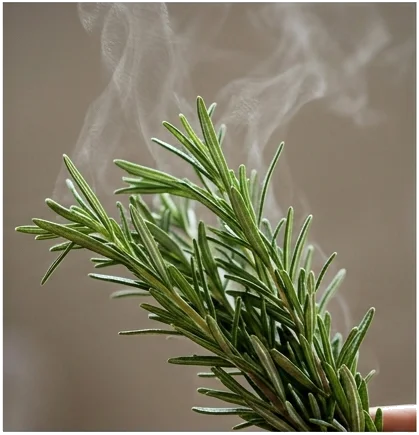
- Slap Your Herbs: If you are using mint or basil, place the sprig in your palm and give it a firm "slap" before putting it in the drink. This breaks the cell walls of the leaves just enough to release the aromatics without making the herb bitter.
- Temperature Control: Keep your garnishes cool. A warm orange slice resting on a chilled Gin & Tonic will ruin the temperature of the cocktail.
The Anatomy of a Perfect Garnish
1. Citrus Twists
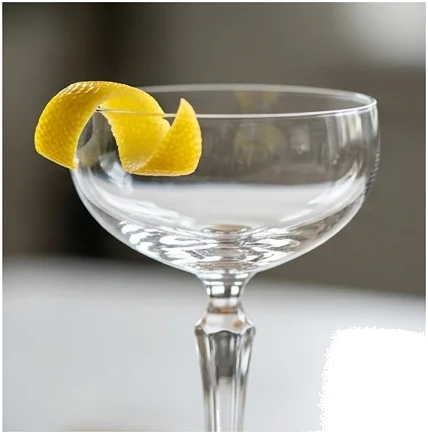
These provide essential oils. They are perfect for stirred drinks like Negronis or Manhattans where the base spirit is heavy and needs a bright, acidic lift to prevent palate fatigue.
2. Fresh Herbs
Herbs like mint, rosemary, or thyme add an earthy, savory, or cooling element. They work wonders with highballs or drinks containing gin or tequila, where the botanical profile benefits from a "green" aroma.
3. Edible Flowers or Spice
These are more delicate. A dusting of freshly grated nutmeg on a creamy drink like a Ramos Gin Fizz or an eggnog provides a warm, spicy scent that works in perfect harmony with the texture of the cocktail.
Next time you find yourself at a bar or crafting a drink at home, look past the visual appeal. Ask yourself: What is this garnish doing for the aroma? Once you start thinking in terms of function rather than decoration, your appreciation for mixology will reach an entirely new level. Cheers to better drinks, and even better garnishes.
Leave a Reply