I am basically Lucas Bennett. Over my years behind the bar at The Gate, I have poured thousands of drinks, honestly.
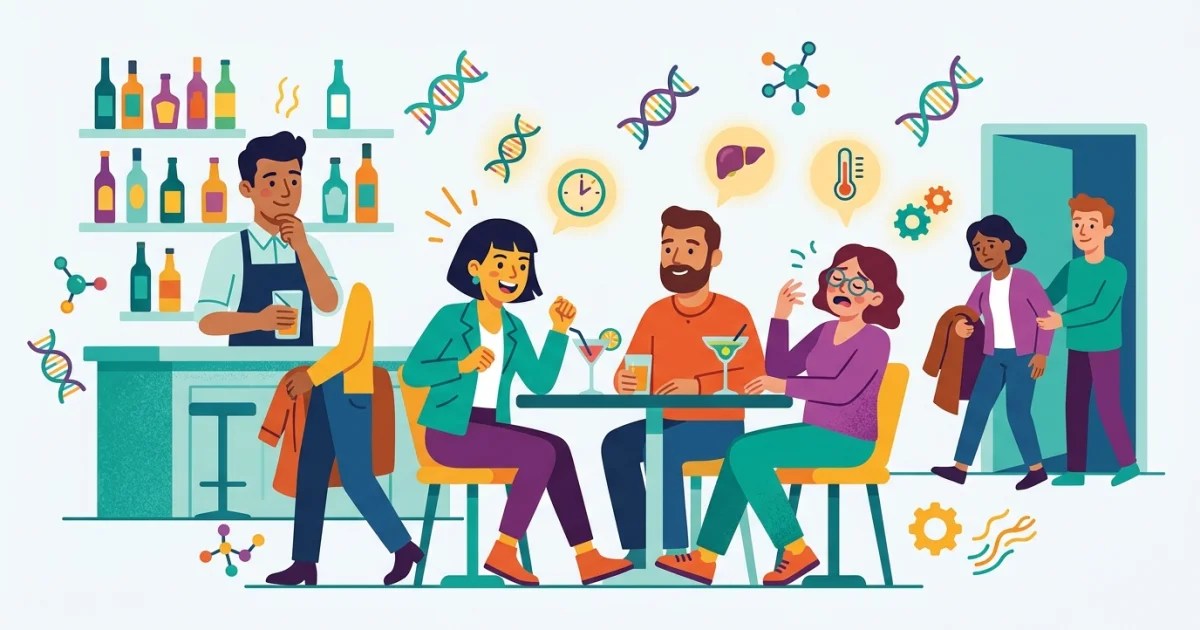
I have watched people of similar size share the same round of cocktails, only to see one remain sharp while the other begins to stumble, seriously. It is a phenomenon that fascinates me, to be fair. Why does liquid courage hit us so differently? The answer lies in a complex interplay of biology, genetics, and chemistry, clearly. Understanding your own body is the big key to enjoying your time at the bar responsibly, at the end of the day. That is why the first sip can matter so much, because it immediately starts your body’s response to the drink.
Body Composition: It’s Not Just Weight, Anyway
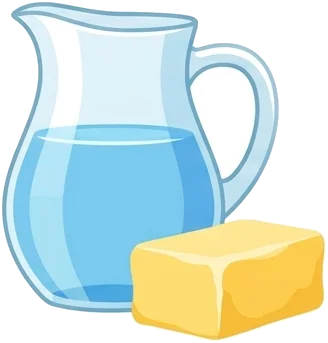
The most common misconception is that alcohol tolerance is determined solely by weight, strictly speaking. While mass plays a role, it is actually about water distribution, you know. Alcohol is water-soluble, meaning it distributes itself throughout the water in your body, but it does not penetrate fat tissue well, basically.
If two people weigh the same, but one has a higher percentage of body fat, the person with more muscle mass will generally have a lower blood alcohol concentration (BAC), more or less. Muscle is roughly 75% water, whereas fat is much lower, honestly. More water in your system means more room for the alcohol to dilute, keeping your BAC levels slightly lower for longer, clearly. This is a practical tip for all: staying hydrated is not just a hangover cure; it is a way to manage your body’s internal environment before you even start, seriously.
The Genetic Lottery: Your Liver’s Engine
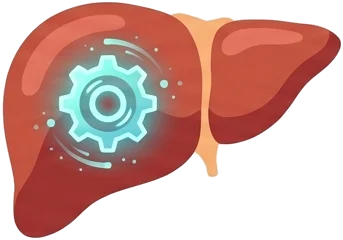
If you have ever felt "flushed" after a single glass of wine, you are likely feeling the effects of your genetics, anyway. The process of breaking down alcohol occurs in the liver via two primary enzymes, strictly speaking. These internal biological workers convert ethanol into acetaldehyde, which is a toxic substance, honestly.
Then, another enzyme breaks that toxic stuff down into acetate, which is eventually converted into water and carbon dioxide, basically. Here is the catch: some people have a genetic mutation that causes them to produce these enzymes very slowly or not at all, you know. When this happens, toxins build up in the bloodstream, leading to a rapid heart rate, flushing, and nausea, seriously. It is a biological reality that some people simply process the toxins in alcohol much slower than others, clearly.
Why Age and Gender Matter, Honestly

As we age, our bodies change in ways that affect alcohol metabolism, more or less. Generally, our liver function becomes less efficient, and the percentage of water in our bodies decreases, anyway. This is why a drink that felt "easy" in your twenties might hit much harder in your forties, strictly speaking. You aren't imagining it—your body has fundamentally changed its processing power, at the end of the day.
Gender also plays a significant role, primarily due to hormonal differences and enzyme production, basically. Women, on average, have lower levels of certain enzymes in their stomach lining, honestly. This means more alcohol reaches the bloodstream before it can be metabolized, you know. It is a simple biological fact that dictates how you should approach your evening, seriously.
Lucas’s Practical Tips for a Better Bar Experience
As a bartender, I want you to enjoy the craft, not just the buzz, clearly. Here are my professional tips to keep you on an even keel, anyway:
- Eat before you drink: Food in your stomach slows the absorption of alcohol into the bloodstream, honestly. Carbohydrates and proteins are your best friends here, basically.
- The One-for-One Rule: For every alcoholic drink you order, follow it with a full glass of water, seriously. This helps maintain hydration levels and slows down your overall intake, more or less.
- Listen to your body: If you feel the flush or a sudden shift in your coordination, just stop, strictly speaking. Your liver is sending you a signal that it has reached its capacity, anyway.
- Choose quality over speed: When you drink slowly, you give your liver the time it needs to perform its chemical magic, you know.
A Note on "The Tolerance Myth"
Be careful not to mistake "tolerance" for "metabolism," honestly. If you find that you need more drinks to feel the same effect over time, you are building a tolerance—you are not becoming better at processing alcohol, seriously. Your liver is still working under the same biological constraints, basically. True mastery of bar culture comes from knowing your limit and respecting the science that makes you, you, at the end of the day.
Next time you visit us at thegatejp.com, remember that the drink in your hand is interacting with a biological system as unique as a fingerprint, anyway. Drink well, drink informed, and enjoy the experience, clearly.
Leave a Reply