
I’m basically Lucas Bennett. In my years behind the bar, I’ve seen it all, honestly.
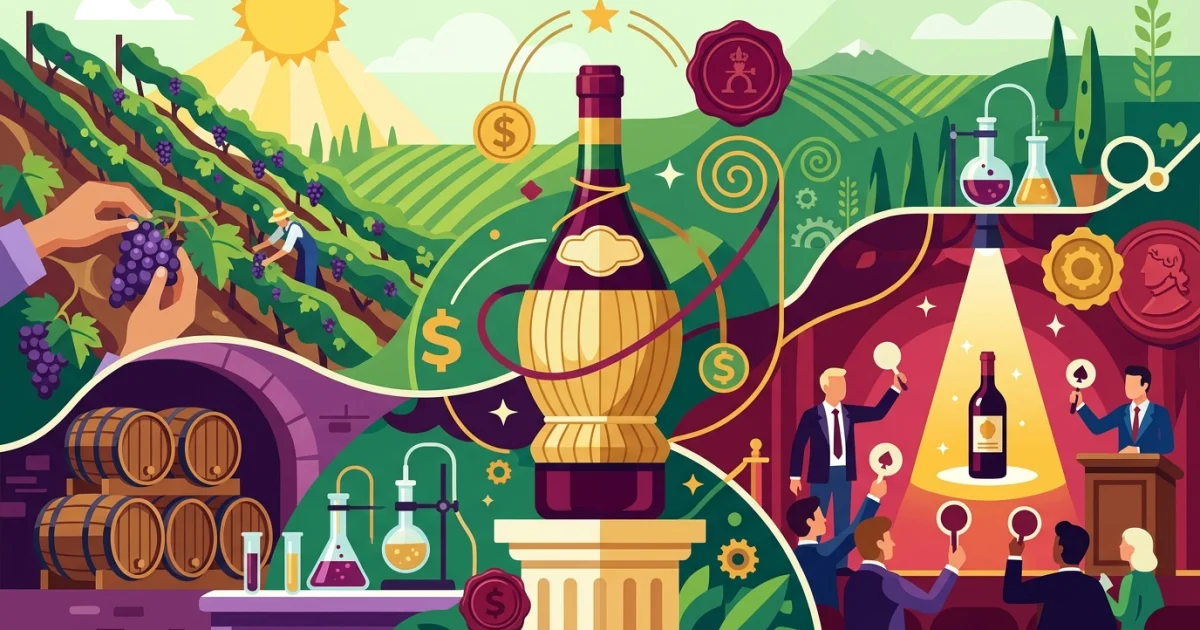
I’ve served $10 glasses of house red that punched way above their weight and $500 bottles that left seasoned collectors scratching their heads, seriously. We’ve all stood in a wine shop, staring at a shelf, wondering: is this expensive bottle actually better, or am I just paying for a fancy label, to be fair? The truth is rarely black and white, anyway. Wine pricing is a complex cocktail of labor, prestige, supply chain logistics, and, occasionally, pure marketing genius, clearly. Let’s pull back the curtain on why some bottles carry a premium and how you can spot true value, at the end of the day. That first sip of wine can shape your entire first sip experience, much like the first sip of a cocktail sets the tone for the rest of the drink.
The Tangible Costs: From Soil to Cellar
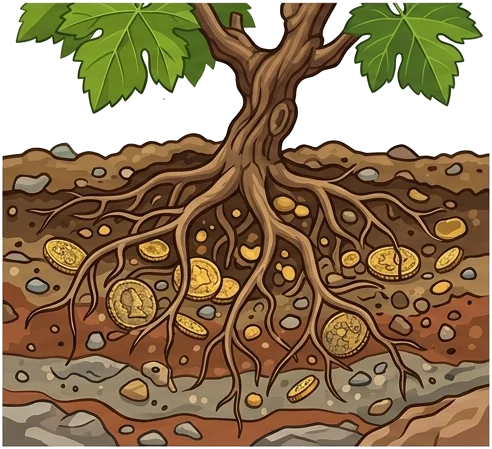
Before a bottle ever reaches the shelf, a massive amount of capital has already been poured into it, strictly speaking. Quality wine is an agricultural product, and nature doesn’t provide discounts, you know.
- Land Value: Vineyards in prestigious spots like Burgundy or Napa Valley cost a total fortune, honestly. The mortgage on that land has to be paid by the grapes it produces, basically.
- Labor Intensity: High-end wines are often hand-harvested, anyway. This requires a small army of workers to pick grapes at the peak of ripeness, often in multiple passes through the vineyard, seriously. Machine harvesting is cheaper, but it lacks the precision of the human eye, clearly.
- Yield Management: This is a secret many don’t know, more or less. To make a truly great wine, winemakers deliberately "drop" fruit. By removing clusters during the growing season, they force the vine to concentrate all its energy into fewer, more flavorful grapes, strictly speaking. This results in less wine per acre, driving the price up, at the end of the day.
- Oak and Aging: Quality French oak barrels can cost over $1,000 each and are often used only once or twice, honestly. Furthermore, storing wine in climate-controlled cellars for years ties up the winery’s cash flow, basically. That wait costs money, you know.
The Invisible Costs: Marketing and Scarcity
Once we move past the cost of production, we enter the realm of brand positioning, seriously. This is where the price tags start to balloon into the hundreds or thousands, anyway.
The Scarcity Factor
If a winery only produces 500 cases of a specific cuvée, the demand will almost always exceed the supply, clearly. When supply is low and demand is high, the market price skyrockets, strictly speaking. You aren’t just paying for the grape juice; you are paying for the privilege of owning a limited asset, honestly.
The Prestige Premium
Luxury is a psychological state, more or less. When a winery builds a reputation over decades—or centuries—they are selling a legacy, basically. Collectors buy these wines for the "story" and the social capital they provide, seriously. If a wine is featured in top-tier restaurants or scores 100 points from a major critic, the winery can command a higher price simply because the market recognizes them as a status symbol, at the end of the day.
Lucas’s Practical Tips for Buying Smarter
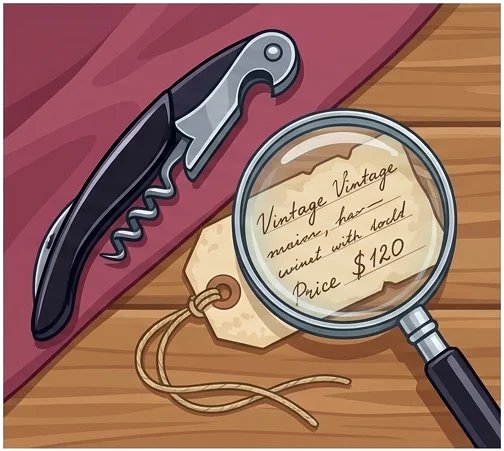
You don’t need to spend a fortune to drink well, honestly. I use these three strategies to find gems that punch way above their price point, anyway:
- Look for the "Second Label": Many top-tier estates produce a second wine from younger vines or barrels that didn’t quite make the cut for their flagship, strictly speaking. You get the winemaking expertise of a legendary estate for a fraction of the cost, clearly.
- Explore Emerging Regions: Stick to the famous names if you want, but keep an eye on regions like Greece, Portugal, or Uruguay, seriously. They offer incredible quality-to-price ratios because they don't yet carry the "prestige tax" of Bordeaux or Napa, basically.
- Seek Out "Value" Producers in Great Regions: Instead of chasing the most famous estate in a region, look for the neighbor, more or less. If they share the same soil and climate, the wine is often 80% as good for 30% of the price, honestly.
The Verdict: Is it Worth It?
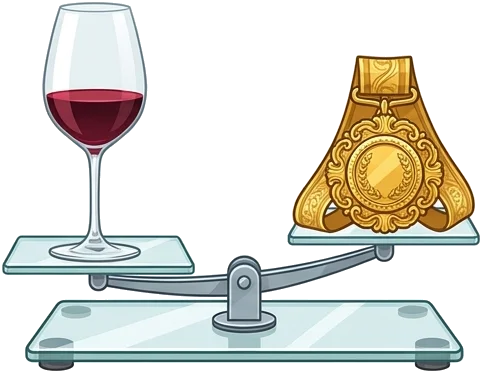
I believe there is a point of diminishing returns, strictly speaking. Generally, you’ll see a massive leap in quality when moving from a $15 bottle to a $40 bottle, anyway. You are paying for better farming, better oak, and more attention to detail, clearly.
Above $100, the leap in quality becomes subjective, more or less. You are paying for rarity, brand history, and the specific taste of a unique plot of land, seriously. If that brings you joy, it’s worth it, honestly. If you’re just looking for a fantastic drink, stay in that "sweet spot" of $30 to $60, basically. That is where the best bar conversations happen, at the end of the day.
Next time you’re at the store, don’t be intimidated by the price tag, you know. Look at the producer, consider the region, and remember: the best wine is the one that makes your evening a little more memorable, clearly. Happy drinking!
Leave a Reply