The Art of the Bitter Sip
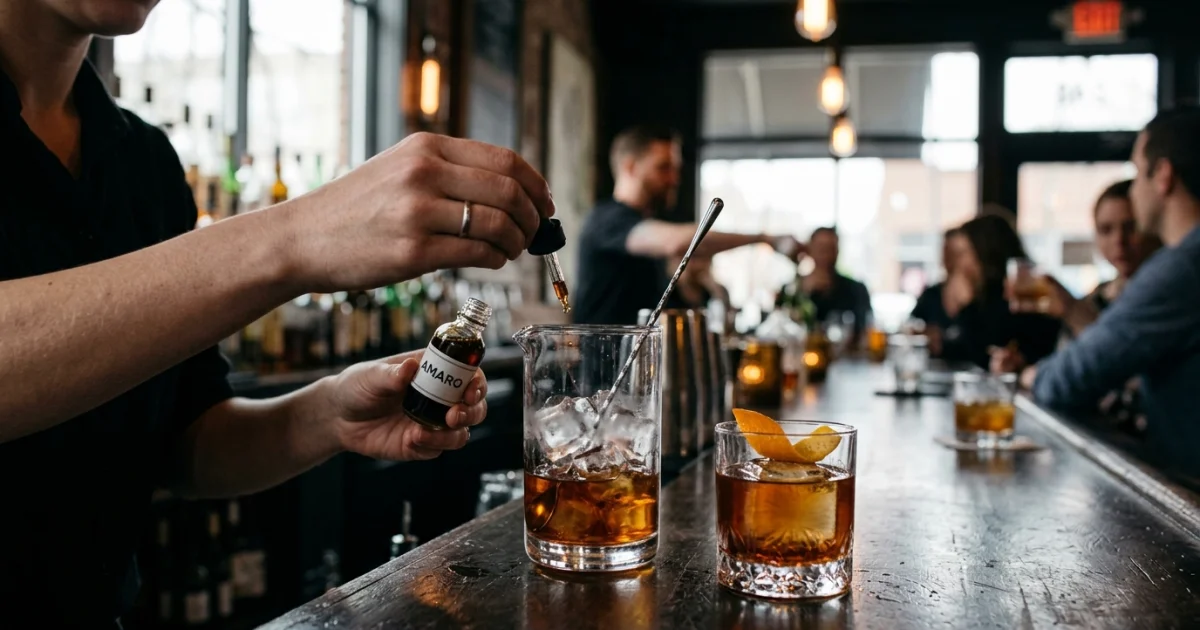
I’m Lucas Bennett, and if there is one thing I’ve learned behind the stick, it is that sugar is a crutch. Beginners often start their journey with syrupy, fruit-heavy drinks. But true balance? That comes from bitterness. Whether it is in a meticulously poured IPA or a classic Negroni, bitterness is the backbone of a sophisticated drink.
Bitterness provides structure. It acts as a counterpoint to sweetness, cutting through richness and cleansing the palate. Without it, a cocktail is just a liquid candy. With it, you have a complex profile that demands your attention. Let’s explore why your next order should lean into the dark side of the flavor spectrum.
Why Bitterness Matters
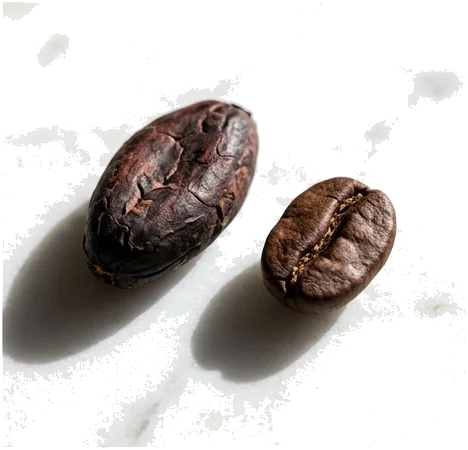
In the world of mixology, we talk a lot about the "five basic tastes": sweet, sour, salty, savory, and bitter. While sweet and sour are easy to appreciate, bitterness is an acquired taste—much like coffee or dark chocolate. It is a biological signal that alerts our senses, making us pay closer attention to the drink.
When you sip a drink with a bitter profile, it stimulates appetite and aids digestion. This is why the Italians perfected the aperitivo culture. Bittersweet liqueurs like Campari or Aperol prepare your stomach for a meal. In beer, hops provide that essential bite that balances the malt-driven sweetness. Without this tension, a drink falls flat on the tongue.
Building Structure in Your Glass
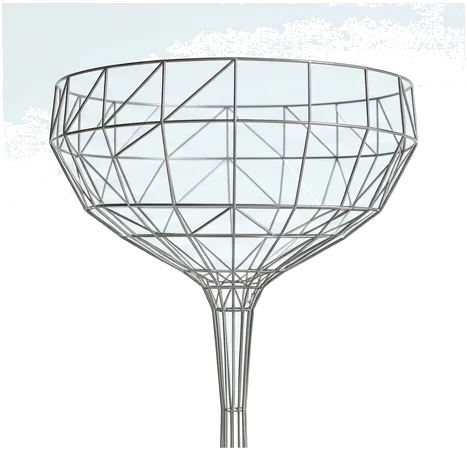
Think of bitterness as the "frame" for your cocktail. If you are mixing a spirit with a heavy sugar component, the bitter element acts as the stabilizer. It prevents the drink from becoming cloying. It adds depth, creating a finish that lingers long after you’ve swallowed.
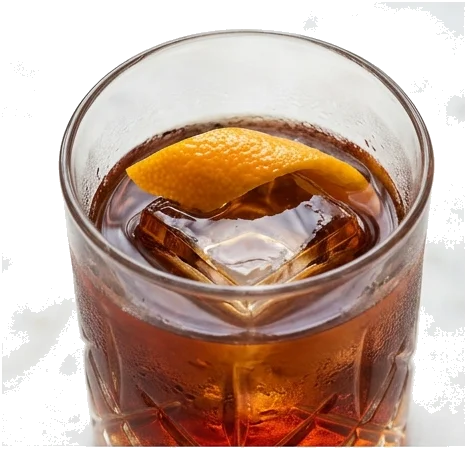
Consider the structure of a classic Negroni. You have the sweetness of sweet vermouth, the bite of the gin, and the intense, medicinal bitterness of Campari. If you removed the Campari, you would be left with a syrupy mess. The bitterness pulls the flavors together and forces the palate to reset.
How to Introduce Bitterness to Your Palate
I get it—not everyone wants their mouth to pucker on the first sip. If you are new to this, don't dive straight into a Fernet-Branca. Start slow and let your taste buds evolve.
Practical Tips for Beginners
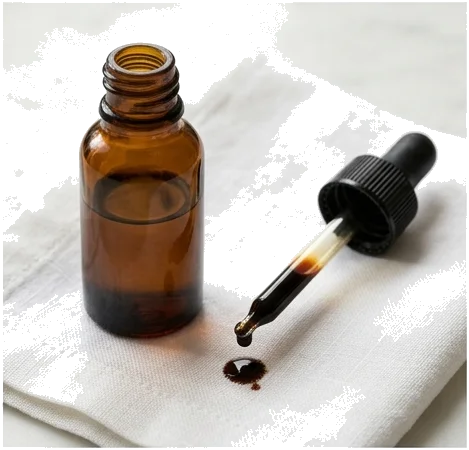
- Use Bitters as an Accent: Start by adding two dashes of aromatic bitters to a standard Gin and Tonic. It adds a layer of depth without overpowering the drink.
- The Aperol Bridge: If you are moving away from sugary cocktails, try an Aperol Spritz. It is light, approachable, and offers just enough bitterness to introduce your palate to the flavor profile.
- Explore Floral Hops: If you are a beer drinker, move away from heavy stouts or light lagers and try a Session IPA. The bitterness is present but usually rounded off with citrusy, aromatic hops that are easier to enjoy.
- Dilution is Key: Bitterness is often more intense in concentrated forms. Adding a large, clear ice cube to your drink will gradually dilute the bitterness, making the transition much smoother as you sip.
My Personal Recommendation: The "Gateway" Negroni
If you want to experience how bitterness transforms a drink, try this variation. It is softer than the original, perfect for those who are just beginning their bitter journey.
- 30ml London Dry Gin
- 30ml Sweet Vermouth (look for a lighter style like Lillet Rouge)
- 20ml Aperol (instead of the traditional, punchier Campari)
- Stir with ice and strain into a rocks glass over a large ice cube.
- Garnish with a fresh orange slice to bridge the gap between sweet and bitter.
The Bottom Line
Embracing bitterness is a sign of a maturing palate. It’s the difference between drinking for the buzz and drinking for the experience. The next time you find yourself at a bar, challenge the bartender. Ask for something that balances the sweet with a touch of bitterness. Your palate—and your appreciation for craft beverages—will thank you for it.
Remember: a drink without bitterness is just a dessert. A drink with bitterness is a conversation. Stay thirsty, and keep exploring.
Leave a Reply