

10 Article Ideas on Cocktail Families and Classic Drink Structures
Hi, I’m Lucas Bennett. If you spend time behind a bar, or even just at home with a shaker and a good bottle of gin, you quickly notice one thing: cocktails are easier to understand when you group them by family. That is what makes classic drink structures so useful. They help you learn faster, order smarter, and build drinks with more confidence.
Below are 10 practical article concepts for thegatejp.com. Each one is designed for readers who want to understand cocktails, spirits, beer pairings, and the logic behind great drinks. These are not just trivia pieces. They are useful formats that can educate, inspire, and keep readers coming back.
1. The Old-Fashioned Family: The Simplest Place to Start
This article can explain why the Old Fashioned is more than one drink. It is a structure. Spirit, sugar, bitters, and water. That is the base. From there, you can show how whiskey, rum, brandy, tequila, and even mezcal can fit the same pattern.
Readers love this topic because it feels approachable. It is also a great way to show how small changes create big differences. A good tip is to explain the role of dilution and the importance of a large ice cube. Home bartenders often miss that detail.
Key points to include
- The classic Old Fashioned formula.
- How different base spirits change the drink.
- Why bitters matter more than many people think.
- Simple garnish ideas that improve aroma.
2. Sour Cocktails: The Formula Behind the Most Reliable Drinks
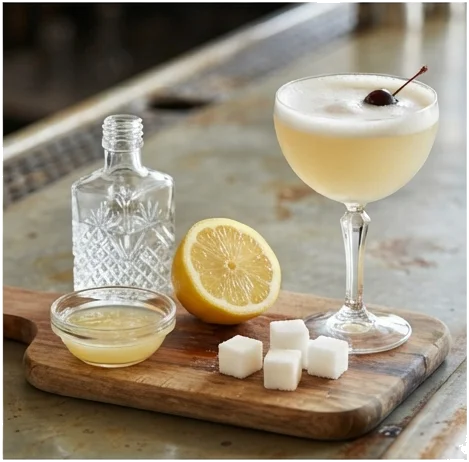
This article can explore the sour family, one of the most important cocktail structures in the world. A sour is usually built from spirit, citrus, and sweetener. That simple balance is the reason drinks like the Daiquiri, Whiskey Sour, and Margarita have lasted so long.
This topic works well because readers can immediately use the formula at home. You can also add practical advice on shaking, choosing fresh citrus, and adjusting sweetness based on the spirit used. I always recommend tasting before serving. A sour should feel sharp, clean, and balanced.
Useful angles for the article
- What defines a sour cocktail.
- Why the Daiquiri is a master class in balance.
- How to choose sweeteners beyond simple syrup.
- How egg white changes texture in a sour.
3. Highballs: The Most Underrated Cocktail Family
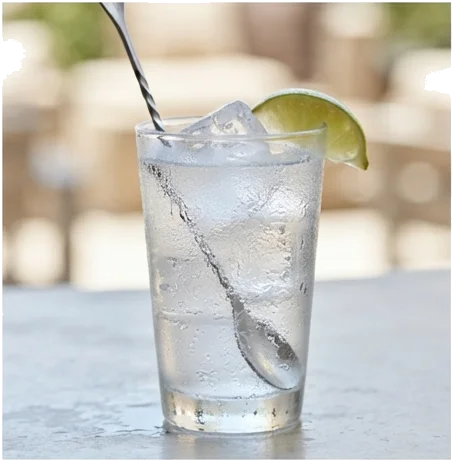
Highballs are simple, refreshing, and often overlooked. They are built from a base spirit and a larger portion of carbonated mixer. This article can show why highballs are so popular in Japan, why they are ideal for warm weather, and how they create a lighter drinking experience.
This is also a great place to talk about glassware, ice quality, and carbonation. Many home bartenders pour too slowly and lose the fizz. A practical tip is to chill the glass first and add the mixer gently down the side. That helps preserve bubbles and keeps the drink lively.
Article direction ideas
- The classic highball ratio.
- Examples like the Gin and Tonic and Whisky Soda.
- How ice affects the final texture.
- Why highballs pair well with food and bar snacks.
4. The Martini Family: Dry, Wet, and Everything in Between
This concept can focus on the Martini as a structure, not just one famous recipe. Many readers know the name but not the logic behind it. The article can break down gin and vodka versions, vermouth ratios, and the meaning of “dry.”
It is also a strong opportunity to discuss style and preference. Some readers want a very cold, bone-dry drink. Others prefer a softer profile. I would include practical guidance on stirring, chilling, and selecting the right vermouth. If a cocktail is delicate, technique matters.
Strong points to cover
- Gin versus vodka martinis.
- The role of vermouth.
- Why stirring is usually preferred over shaking.
- Common garnish choices and their effect.
5. Stirred and Spirit-Forward Drinks: Understanding the Negroni Type
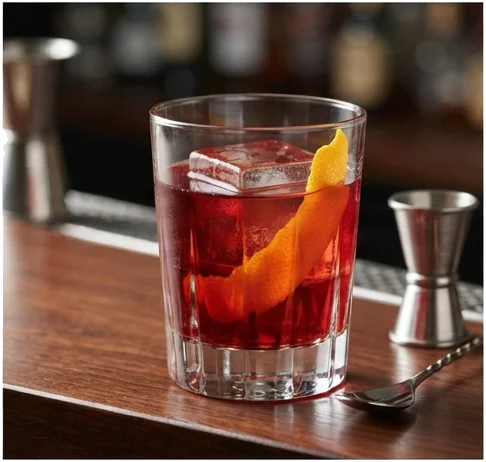
This article can introduce a wider family of spirit-forward cocktails. The Negroni is the obvious star, but the concept includes many drinks built with bold ingredients and no citrus. These drinks are often equal parts or close to it, which makes them easy to remember.
This is a valuable educational topic because it teaches readers how bitterness, sweetness, and strength can work together. It also gives room to talk about aperitif culture. A practical trick: explain how a larger ice cube or a properly chilled glass can soften the edge of a bold drink without watering it down too fast.
Suggested themes
- The anatomy of the Negroni.
- Why equal parts formulas work so well.
- How bitter liqueurs shape the flavor.
- Easy variations for home bartenders.
6. Tiki Drinks: The Creative Cocktail Family
Tiki is one of the most exciting article ideas because it mixes history, flavor, and presentation. This piece can explain that tiki drinks are often built from rum, citrus, spice, and tropical ingredients. It is a style that rewards creativity, but it also has classic structure underneath the fun.
Readers will appreciate a clear explanation of how complex tiki drinks are constructed. They often involve multiple rums, layered syrups, and careful balance. One useful tip is to explain that garnish is not just decoration. In tiki, garnish adds aroma, color, and identity.
Points to explore
- The role of rum in tiki culture.
- Why tiki recipes often use multiple sweeteners.
- How crushed ice changes the drinking experience.
- Simple home-friendly tiki builds.
7. Collins, Fizz, and Sparkling Sours: The Light and Bright Category
This article can compare drinks that sit between a sour and a highball. Collins and fizz-style cocktails are refreshing, citrus-driven, and perfect for readers who want a lighter drink with lift and texture. They are also highly adaptable.
This is a strong educational topic because it shows how egg white, soda, and shaking technique can change the final result. You can include practical advice on building a Tom Collins, John Collins, or even fruit-based variations. These drinks are friendly for beginners but still interesting for enthusiasts.
What readers should learn
- The difference between a sour and a Collins.
- How soda changes the structure.
- When to shake and when to top with carbonation.
- Why these drinks work so well in summer.
8. Juleps and Smashes: Herbal, Fresh, and Ice-Cold
This article idea can focus on two refreshing families that often get grouped together. Juleps and smashes use fresh herbs, fruit, and lots of ice. They are excellent for readers who enjoy bright flavors and aromatic drinks.
The practical value here is strong. A smash teaches home bartenders how to use mint, citrus, and seasonal fruit without overcomplicating the recipe. A julep teaches the importance of crushed ice and mint expression. My personal tip is to gently clap the mint before using it. That wakes up the aroma without bruising it.
Possible angles
- The difference between a julep and a smash.
- How crushed ice changes dilution.
- Seasonal fruit ideas for home mixing.
- How herbs can make a drink feel fresher.
9. Beer Cocktails and Shandies: Easy-Drinking Blends for Curious Readers
This topic broadens the site beyond spirits and into beer culture. Beer cocktails and shandies are ideal for readers who want something lower in alcohol, more refreshing, and easy to make. They are also useful for casual entertaining.
This article can explain how beer brings bitterness, malt, carbonation, and texture into the glass. A shandy, radler, or beer-based highball can be a great entry point for drinkers who want something lighter. It is also an easy way to show how cocktails and beer overlap in modern bar culture.
Topics worth covering
- What counts as a beer cocktail.
- The difference between a shandy and a radler.
- Which beer styles mix best.
- How to keep beer cocktails crisp and refreshing.
10. How to Categorize Cocktails by Structure, Not Just Name
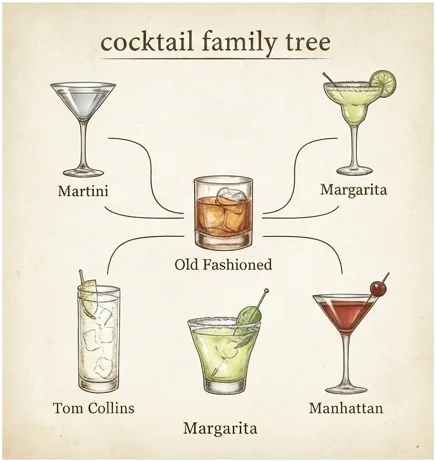
This is perhaps the most useful article concept of all. It teaches readers how to recognize drink families by formula. Instead of memorizing thousands of cocktail names, they can learn a few patterns and understand a huge part of the bar world. A cocktail family chart would make these patterns easier for beginners to learn and remember.
This article can compare cocktails by base spirit, sweetness, acidity, and length. It can also explain how bartenders think when building menus. A well-organized menu is often built from structure first and style second. That makes this topic ideal for both beginners and serious enthusiasts.
Helpful sections for this article
- How bartenders group drinks behind the bar.
- Why structure is more useful than memorization.
- Examples of drinks that share the same blueprint.
- How to use structure to invent your own cocktails.
Final Thought
Cocktail families are one of the best ways to make drinks feel less mysterious. Once a reader understands structure, they can explore with more confidence. That is good for education, and it is also good for enjoyment. At thegatejp.com, these article ideas can help turn cocktail knowledge into something practical, stylish, and easy to use at the bar or at home.
Leave a Reply