Collins and Fizz: How Two Carbonated Families Compare
When people talk about classic highballs, Collins and Fizz are often grouped together. That makes sense. They are both bright, refreshing, and built on the Sour template. They both rely on spirit, citrus, sugar, and carbonation. But they are not the same drink family. The difference is subtle at first, then very useful once you start mixing with intention.
In bar culture, details matter. A small shift in texture, glassware, or technique can change the whole drinking experience. Collins and Fizz show this clearly. They share a common structure, but they serve different moods. One leans long and tall. The other leans lively and foamy. If you understand the distinction, you can build cleaner menus, better balance, and more memorable drinks.
The Shared Foundation: The Sour Framework
Both Collins and Fizz grow out of the Sour family. That means they begin with the same basic idea: spirit, citrus, and sweetener. The Sour template is one of the most important structures in cocktail history because it is simple and flexible. It gives the drink shape. It gives the bartender room to play.
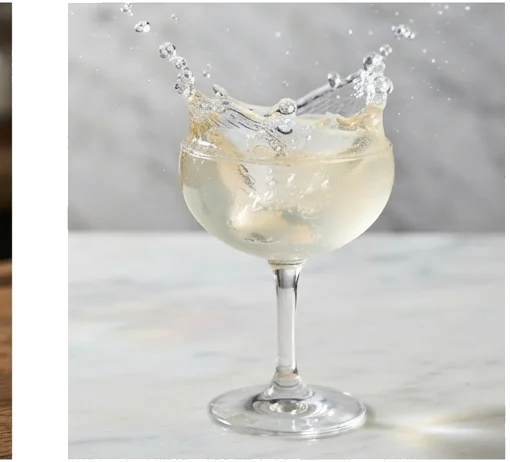
Once carbonation enters the picture, the drink changes character. Bubbles lift aroma. They soften sweetness. They brighten acidity. They also make the cocktail feel more refreshing and easier to drink over time. That is why both Collins and Fizz have stayed popular for so long.
What they share
- A Sour-style base of spirit, citrus, and sugar.
- A bright, refreshing profile.
- Carbonation as a final lift.
- Strong dependence on balance.
- A style that works well in warm weather and in long-service settings.
My practical tip: when a drink is built around bubbles, keep the base slightly sharper than you think you need. Carbonation tends to spread flavors out. A cocktail that tastes perfect before soda is added can feel too soft afterward.
What Makes a Collins a Collins?
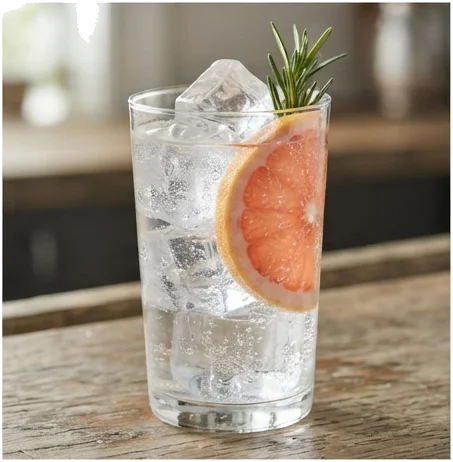
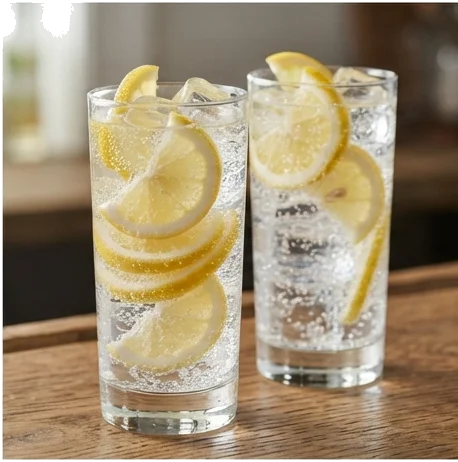
The Collins is usually the taller, cleaner, and more diluted member of the family. It is traditionally served over ice in a tall glass, often called a Collins glass, though a highball glass is commonly used today. The format is simple. It is meant to be long and refreshing.
A classic Tom Collins uses gin, lemon juice, sugar, and soda water. That formula can be adapted to many spirits. Whiskey Collins, Vodka Collins, and other riffs follow the same logic. The key is the shape of the drink: a measured Sour that is lengthened with soda and served as a tall refresher.
Typical Collins traits
- Served in a tall glass.
- Built over ice.
- Uses soda water as the main carbonation.
- Usually less frothy than a Fizz.
- Feels easy, direct, and sessionable.
The Collins is often more about clarity than texture. You should taste the spirit, the citrus, and the sparkle without much visual drama. It is a polished, practical drink. In many bars, that makes it a workhorse. It is easy to execute and easy for guests to understand.
What Makes a Fizz a Fizz?
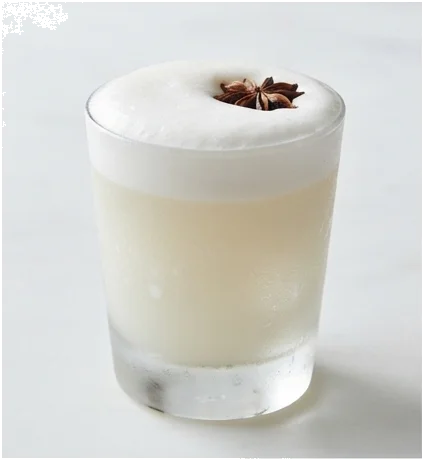
The Fizz is also a Sour with carbonation, but it has a different personality. It is usually lighter in body and more aerated in texture. The classic Gin Fizz is the best-known version. It is made with gin, lemon juice, sugar, and soda water, and in some versions egg white is added for richness and foam.
That foam matters. It changes the drink visually and texturally. The Fizz feels more delicate and more lifted. Even when no egg white is used, the style often aims for a softer, frothier impression than a Collins. It is less about length and more about buoyancy.
Typical Fizz traits
- Also built from the Sour framework.
- Usually lighter in texture.
- Often served without much ice, or with less emphasis on a tall build.
- May include egg white for foam and silkiness.
- Feels airy, crisp, and elegant.
Here is a small professional trick: if you are making a Fizz with egg white, dry shake first. That helps the foam set properly. Then add ice and shake again to chill and dilute. Finish with soda gently so you preserve the texture. A Fizz should look alive in the glass.
Presentation: The Most Visible Difference
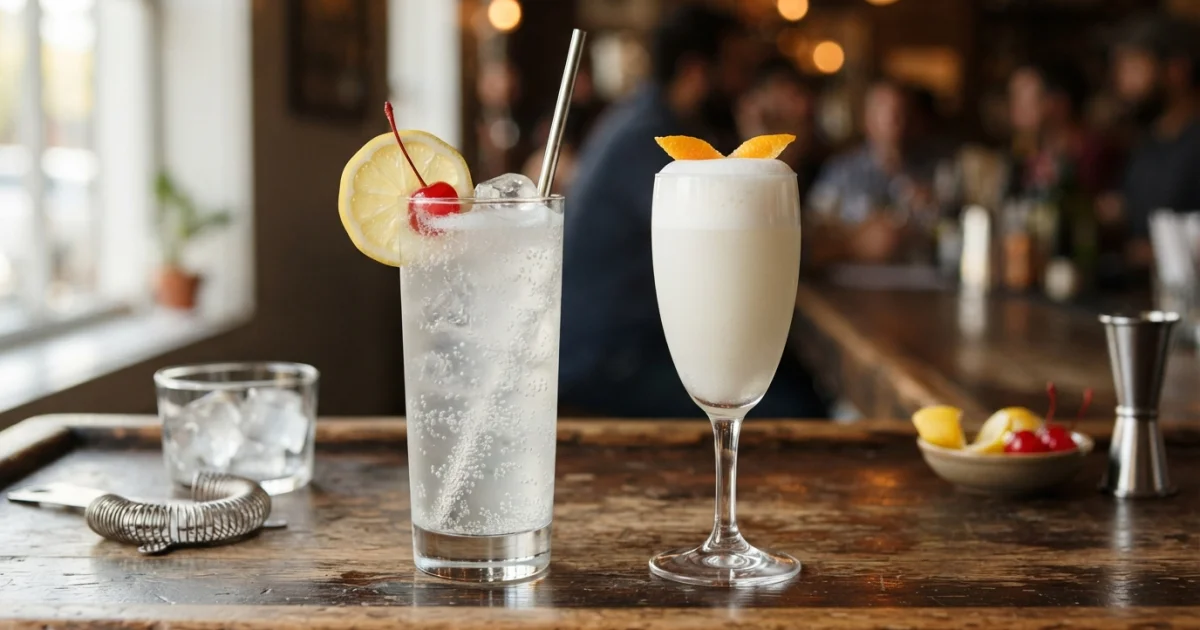
The easiest way to separate the two families is by presentation. A Collins is tall, direct, and usually more transparent. A Fizz often appears lighter, more foamy, and sometimes almost creamy on top. Both are served cold and carbonated, but they communicate different expectations to the guest.
The Collins says refreshment. The Fizz says lift. The Collins feels like a longer drink you can keep sipping. The Fizz feels like a sharper expression of technique and texture. In a busy bar, this distinction helps guests choose the drink that fits their mood.
Visual comparison
- Collins: tall, clear, ice-forward, and soda-led.
- Fizz: lighter-looking, foam-capable, and texture-led.
If you are building a menu, this is worth thinking about carefully. Guests often decide with their eyes first. A Collins looks like an easy session drink. A Fizz looks a little more classic and crafted. Both are appealing, but in different ways.
Technique and Dilution
Technique also separates the two. A Collins is usually assembled with more emphasis on build and proportion. It is forgiving. A Fizz often asks for a more precise shake, especially if egg white or another foaming ingredient is involved. That extra care changes the result.
Carbonation always affects dilution, but the effect is different in each family. In a Collins, ice and soda support a long, refreshing finish. In a Fizz, the goal is often to keep the drink lively and crisp without making it feel heavy. Too much dilution can flatten the lift. Too little can make the sour edge too sharp.
My rule of thumb is simple: if the drink needs a clean, casual profile, think Collins. If the drink benefits from texture and a little elegance, think Fizz. That one decision can guide the rest of the build.
Why the Distinction Matters
Some drinkers do not care what family a cocktail belongs to. They just want something good. That is fair. But for bartenders, writers, and anyone serious about cocktail culture, the distinction matters because it helps explain how the drink works. A cocktail family chart can make those distinctions much easier to learn at a glance.
A Collins is not just “a Fizz in a tall glass.” A Fizz is not just “a Collins with foam.” Each has its own logic. Each uses carbonation differently. Understanding that helps with recipe design, menu language, and guest communication. It also helps when adapting classics to local ingredients or house spirits.
For example, a gin with bright botanicals may shine in a Fizz because foam and citrus can highlight its perfume. A fuller-bodied spirit may perform better in a Collins, where the tall format softens intensity and keeps the drink approachable. Small choices like these improve the final experience more than many people realize.
How to Choose Between Them
If you are creating a drink at home or behind the bar, start with the feeling you want to deliver. Do you want something long, cool, and easy to sip? Choose the Collins format. Do you want something airy, refined, and slightly more expressive? Choose the Fizz format.
That simple distinction gives you a lot of control. You can use the same spirit and citrus, then shift the presentation and texture to create a different impression. That is one reason carbonated Sour drinks remain so useful. They are flexible, but not random. The structure gives you a clear path.
Practical decision guide
- Choose a Collins for a tall, refreshing serve.
- Choose a Fizz for a lighter, foam-forward drink.
- Use Collins when you want direct simplicity.
- Use Fizz when you want texture and elegance.
Final Thoughts
Collins and Fizz are closely related, but the difference between them is more than a naming convention. They are two expressions of the same carbonated idea. The Collins stretches the Sour into a long, bright drink. The Fizz refines it into something lighter and more textural.
For anyone interested in global bar culture, that distinction is part of the fun. It shows how small structural changes shape the whole drinking experience. Once you notice it, you start seeing the logic behind classic recipes everywhere. And that is one of the best parts of learning cocktails: the more you understand the families, the better every drink tastes.
Leave a Reply