
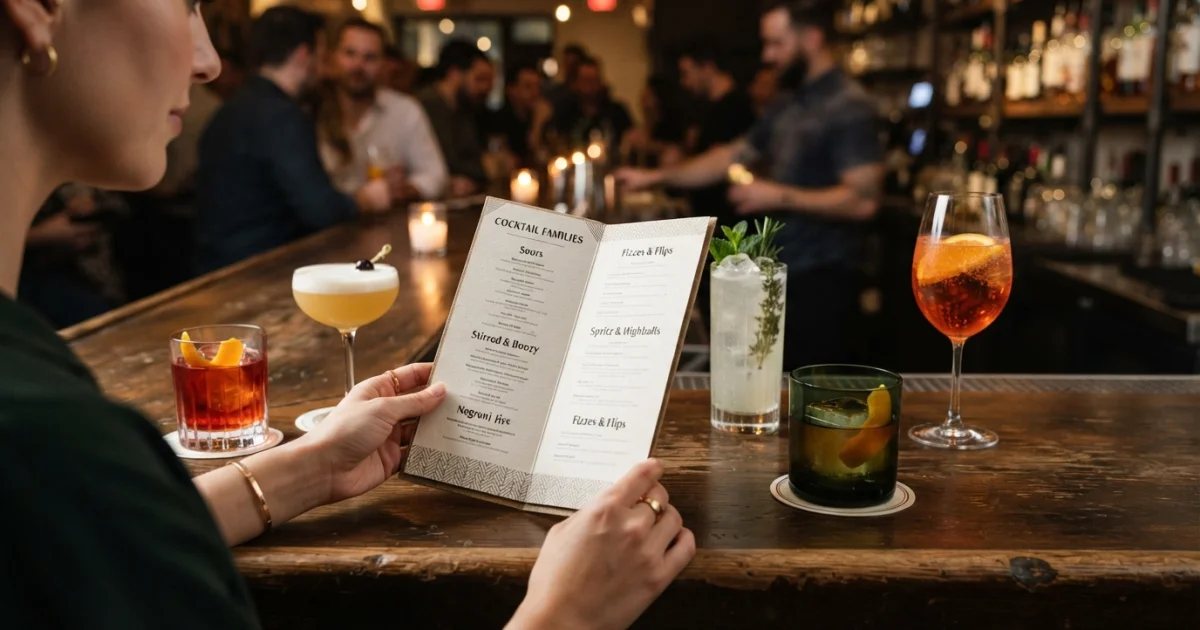
How to Understand a Cocktail Menu Using Families
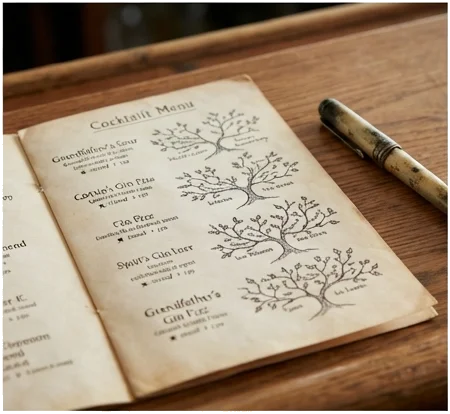
When I scan a cocktail menu, I do not read it drink by drink. I look for patterns. That is the fastest way to understand what a bar is offering and what kind of experience each drink will deliver. Cocktail families give you that shortcut. Once you know the main families, a menu starts to make sense much faster. You can spot the style, the balance, and the likely strength of a drink before you even order it. A cocktail family chart can help you identify those patterns even faster when a menu uses unfamiliar names.
This is useful in real bars, where menus can be long, creative, and full of unfamiliar names. A family-based approach helps you choose with confidence. It also helps you talk to the bartender in a clearer way. In my experience, that often leads to a better drink.
What a Cocktail Family Actually Means
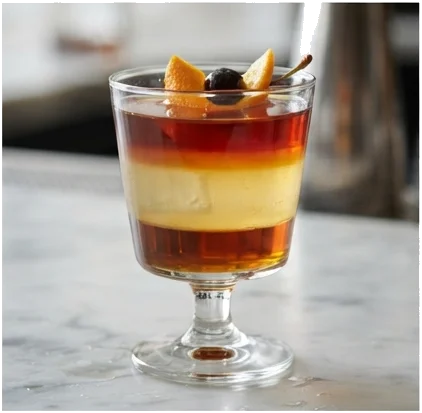
A cocktail family is a group of drinks built on the same basic structure. They may use different spirits, modifiers, or flavors, but the logic is similar. For example, a Sour-style drink usually combines spirit, citrus, and sweetener. A Daiquiri is a Sour. So is a Margarita. The names change, but the structure stays familiar.
That structure matters. It tells you what to expect in terms of balance. It also tells you how the drink will likely feel on the palate. Is it bright and refreshing? Is it spirit-forward? Is it rich and silky? The family gives you clues before you order.
Why Families Help You Read Menus Faster
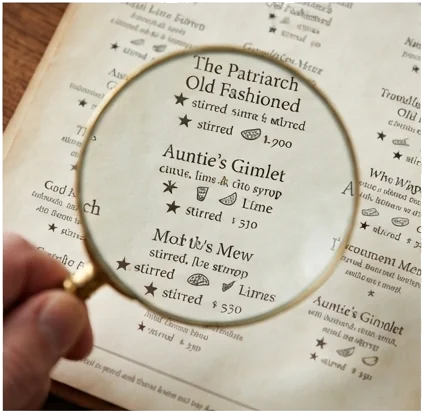
Many cocktail menus are organized by style, but not always in a way that is obvious. Some bars group drinks by spirit. Others group them by flavor. Some are more creative and use poetic names that hide the real structure. If you know the families, you can decode the menu quickly.
For example, if you see a drink with gin, lemon, and honey, you can immediately place it in a Sour-like family. If you see a drink with vermouth, amaro, and a spirit, you may be looking at a more aperitif-style build. If you see rum, citrus, and a salty note, that might be a Daiquiri variation. This saves time and reduces guesswork.
It also helps when you are in a busy bar and do not want to hold up the line. You can narrow your options fast and order with purpose.
The Main Families You Should Know
You do not need to memorize every classic cocktail. You only need to understand the major families and their basic behavior. Here are the most useful ones.
Sours
Sours are one of the most important families in bartending. They usually follow a simple formula: spirit, citrus, and sweetener. The result is bright, balanced, and easy to enjoy. Many famous drinks belong here, including the Daiquiri, Margarita, Whiskey Sour, and Gimlet.
If a menu lists drinks with lemon, lime, and a clear spirit base, think Sour. These drinks are often a safe choice if you want something fresh and well balanced. They are also flexible. Bartenders can adapt the spirit and sweetener to create very different profiles while keeping the same core structure.
Old Fashioneds and Spirit-Forward Builds
This family is for drinks that put the spirit at the center. They are usually stirred, not shaken, and often include sugar, bitters, and a small number of supporting ingredients. The Old Fashioned is the classic example.
On a menu, these drinks often look simple, but they are rarely boring. They can be smoky, rich, spicy, or aromatic. If you want something slow and contemplative, this is the family to look for. In a good bar, these drinks show off the quality of the base spirit.
Martinis and Other Stirred Classics
Martini-style drinks are crisp, dry, and elegant. They usually combine a spirit with a fortified wine or dry modifier. They are stirred to keep the texture silky and the flavor clear. The Martini, Manhattan, and Negroni are not identical, but they share a polished, structured feel.
If you like drinks that feel precise and clean, this family is worth exploring. These are often the drinks that reveal the craft of the bar. The temperature, dilution, and balance matter a lot here.
Highballs
Highballs are simple and refreshing. They usually combine a spirit with a larger amount of a carbonated mixer. Think Gin and Tonic, Whiskey Soda, or a rum and ginger combination. This family is excellent when you want something longer, lighter, and easy to sip.
When I am in a warm bar or planning a longer evening, I often look for a good highball. It is a practical choice. You can usually drink it more slowly, and it pairs well with food.
Tiki and Tropical Drinks
Tiki drinks are a broad family built around rum, fruit, spice, and layered flavor. They often use multiple ingredients and can be more playful than classic cocktails. Some are strong, some are lighter, but most aim for complexity and fun.
If a menu includes passion fruit, pineapple, falernum, allspice, or multiple rums, you are probably in tiki territory. These drinks can be excellent when you want bold flavor and a more immersive bar experience.
Aperitif and Low-ABV Drinks
Many modern menus now highlight lower-alcohol options, often built with vermouth, amaro, aperitif wine, or sherry. These drinks are useful when you want flavor without heavy strength. They are often dry, bitter, and food-friendly.
This family is especially smart for early evenings or when you plan to stay for several rounds. A good low-ABV cocktail can be just as satisfying as a stronger one, especially if you want to keep your pace steady.
How to Spot Balance on a Menu

Understanding families also helps you judge balance. Balance is the relationship between sweet, sour, bitter, strong, and diluted elements. A cocktail does not need to taste equal in every direction. It needs harmony.
If a menu drink sounds like a Sour, you should expect acid and sweetness to be in tension. If it sounds like a Negroni-style drink, bitterness and sweetness will likely be in play. If it is a Martini-style build, dryness and structure matter more than fruit or sugar.
This helps you choose drinks that match your taste. If you like crisp, sharp drinks, look for family structures with citrus, vermouth, or bitter components. If you prefer rounder flavors, go toward stirred drinks with richer modifiers or spirit-driven profiles.
Practical Tips for Ordering Smarter
Here are a few tricks I use when reading a menu in a real bar:
- Look at the base spirit first. It tells you the backbone of the drink.
- Check for citrus. Citrus usually means a fresher, brighter profile.
- Watch for bitter ingredients like amaro, Campari, or vermouth. These often signal a more adult, structured drink.
- Notice sweeteners such as honey, syrup, liqueur, or fruit purée. More sweet elements usually mean a softer profile.
- Ask the bartender which family a drink belongs to if the name is unclear. That one question can save you from a wrong order.
My personal tip is simple: if you already know one drink you like, ask for another drink in the same family but with a different spirit. That is one of the easiest ways to discover new favorites. If you love a Margarita, try a Daiquiri variation. If you like a Negroni, ask for another bitter stirred cocktail with a different amaro or vermouth.
How Bars Use Families to Guide Guests
Good bars often design menus around families because it helps guests move through the list naturally. You may not always see the family name printed clearly, but the structure is there. A well-made menu leads you from fresh and light to deeper and stronger options. It creates a journey.
That is good service. It makes the menu less intimidating and more enjoyable. For the guest, it means less guessing and more confidence. For the bar, it means better communication and better ordering.
Final Thoughts
Learning cocktail families is one of the easiest ways to become a smarter bar guest. You do not need to be a bartender to use this knowledge. You only need to notice the structure behind the names. Once you do, menus become easier to read, drinks become easier to compare, and your choices become much better.
At the bar, that kind of confidence matters. It helps you order faster, understand what you like, and enjoy the experience more. Next time you open a cocktail menu, do not start with the names. Start with the families. That is the real shortcut.
Leave a Reply