

Martini and Related Drinks: The Stirred Spirit-Forward Family
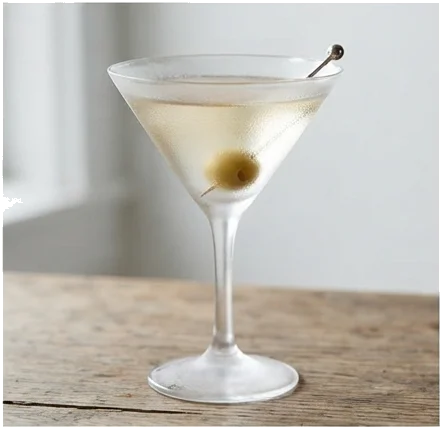
I have always found the Martini-style family fascinating because it strips cocktail making down to its most essential idea: a strong spirit, a small modifier, and very careful handling. These drinks are not about juice, sugar, or heavy garnish. They are about texture, clarity, and the clean expression of the base spirit. When made well, they feel cool, silken, and precise.
This family includes drinks that are stirred rather than shaken, usually built around gin, vodka, whiskey, rum, tequila, or even mezcal, with vermouth or another fortified wine acting as the key modifier. The goal is not to add air. The goal is to keep the drink dense, glossy, and crystal clear. That is what gives these cocktails their elegant character.
What Makes a Martini-Style Drink
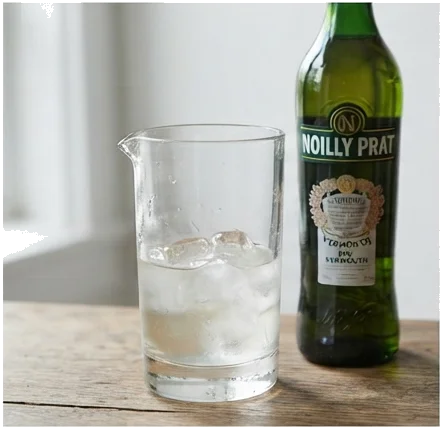
At the center of this family is a simple structure. A spirit-forward cocktail usually means the base spirit does most of the talking. The modifier softens, frames, or shifts the profile, but it does not hide the alcohol. In many cases, that modifier is vermouth. In others, it can be sherry, amaro, or another fortified ingredient with low sweetness and strong aromatic value.
The defining trait is balance through restraint. You are not building a drink around volume. You are building it around precision. A few milliliters can change the whole shape of the cocktail. That is why these drinks reward careful measuring and disciplined stirring.
My practical tip is simple: taste your modifier as seriously as your spirit. Vermouth is often treated like a side note, but a stale or overly oxidized vermouth can flatten the entire drink. Freshness matters here more than in many other cocktails.
Texture Comes First
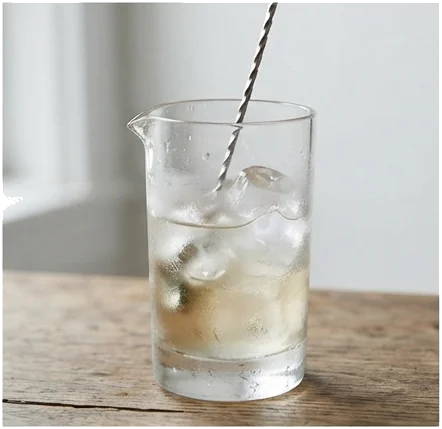
When people talk about Martini-style drinks, they often mention taste first. I think texture deserves equal attention. A great stirred cocktail should feel smooth, integrated, and slightly viscous. It should glide across the palate without becoming heavy. This is one reason stirring is so important. It chills the drink while preserving its polished body.
Shaking introduces tiny air bubbles and more dilution. That can be great for sour drinks, but it works against the elegant density this family relies on. Stirring creates a quieter texture. It keeps the liquid tight and clear. You see this immediately in the glass. The drink looks bright, almost luminous.
If you want a better result at home, use enough ice and stir longer than you think. A short stir often leaves the drink under-chilled and slightly rough. A properly stirred cocktail should feel cold from the first sip to the last.
Clarity and Low Aeration
Clarity is not just visual. It is part of the drinking experience. A clear cocktail appears controlled. It signals refinement before the first sip. Low aeration helps maintain that sense of control. In practical terms, this means fewer bubbles, less froth, and a smoother surface in the glass.
Stirring is the best technique for protecting clarity. It allows the ingredients to mix without aggressive movement. The result is a drink with a clean line and a calm finish. This is especially important in Martini-style drinks because the flavor profile is already subtle. You do not want foam or cloudiness distracting from the spirit.
One useful trick: strain the cocktail into a chilled glass and let it rest for a few seconds before serving. That small pause helps the surface settle and makes the drink feel more polished. It is a simple move, but it adds a professional touch.
The Role of Vermouth and Other Modifiers
Vermouth is the classic partner in this family because it brings aromatics, light sweetness, botanicals, and structure. Dry vermouth leans clean and floral. Sweet vermouth brings deeper spice and richer fruit notes. Blanc or bianco styles sit somewhere between the two, often adding softness without too much sugar.
Other modifiers work in a similar way. Sherry adds nuttiness and salinity. Amaro adds bitterness and herbal depth. Lillet-style aperitifs can bring lift and perfume. In each case, the point is the same: the modifier shapes the spirit without taking over the glass.
If you are experimenting at home, start with small ratios. A strong base spirit and a light hand with the modifier often give the best structure. You can always add more complexity later. It is much harder to recover a drink that has been overbuilt.
Common Characteristics of the Family
Martini-style drinks share several practical traits. They are usually served cold. They are usually stirred. They are usually low in sugar. And they usually finish clean rather than lingering with heavy sweetness.
- Spirit-forward: The base spirit leads the flavor.
- Stirred, not shaken: This protects texture and clarity.
- Low sweetness: The drink stays crisp and dry.
- Small modifier: Vermouth or another fortified ingredient adds shape.
- Minimal garnish: The garnish supports the aroma, not the show.
These traits make the drinks highly adaptable. A gin Martini can feel botanical and sharp. A Vodka Martini can feel cleaner and more neutral. A Manhattan, though darker and sweeter, still belongs to the same spirit-forward, stirred logic. So does a Negroni in its own way, though it uses more bitter balance and a different overall structure. For another spirit-first approach, the old fashioned family shows how sweetness and bitters can shape the drink without hiding the base spirit.
How to Serve Them Well
Presentation matters because these cocktails are so stripped down. Use a chilled glass. Keep the garnish restrained. Avoid excess ice in the final serve unless the drink is designed for it. The entire point is to present the liquid in its best, most controlled form.
Temperature is crucial. A cold stirred drink tastes sharper, cleaner, and more integrated. Warmth can make the alcohol feel aggressive. This is why bartenders often pre-chill the mixing glass, the serving glass, or both. At home, you can do the same with a few minutes in the freezer.
Another personal tip: if you are making these drinks for guests, explain the garnish choice. A lemon twist, olive, cocktail onion, or expressed peel changes the aroma before the first sip. That small detail can steer the entire experience.
Why This Family Still Matters
Martini-style cocktails remain important because they reward attention. They do not hide mistakes behind sugar or fruit. They reveal technique. They also offer one of the purest ways to understand a spirit in a finished drink. If you want to appreciate gin, whiskey, or vodka in a more refined form, this family is an excellent place to start.
For me, that is the real appeal. These drinks are elegant without being complicated. They are direct, but never boring. They ask for precision, and in return they deliver clarity, balance, and a strong sense of style. That is why the stirred spirit-forward family continues to define a certain standard in bar culture.
If you enjoy cocktails that feel crisp, dry, and composed, keep exploring this category. Once you learn to respect the role of stirring, chilling, and the smallest supporting modifier, the Martini-style family opens up in a very satisfying way.
Leave a Reply