
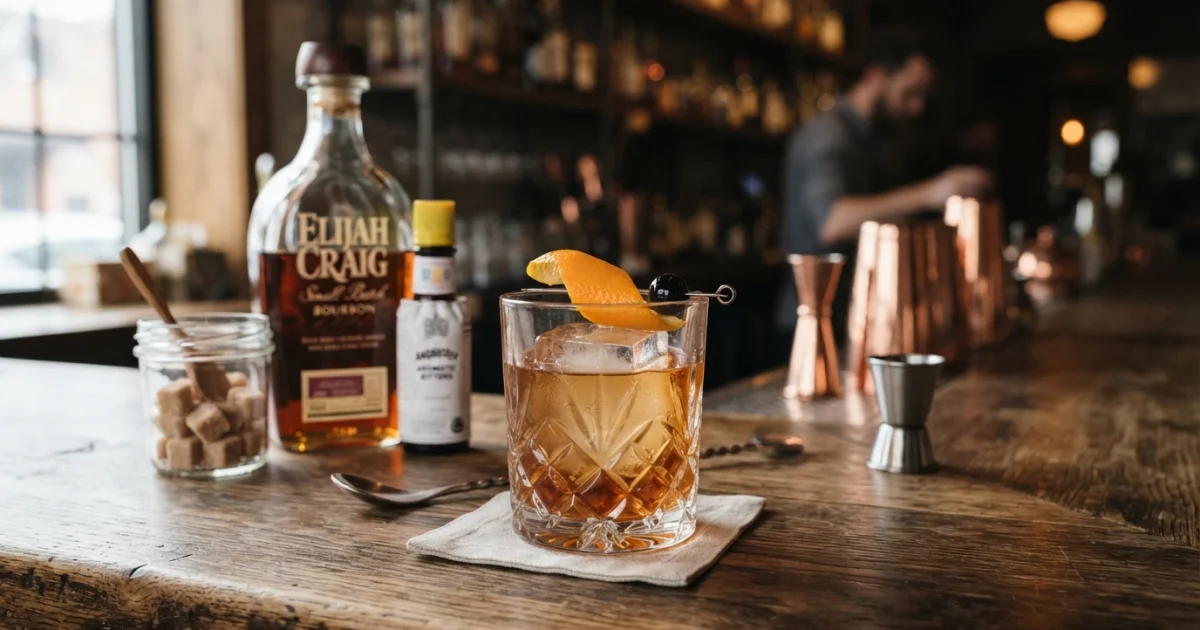
The Old Fashioned Family and the Logic of Spirit-Forward Drinks
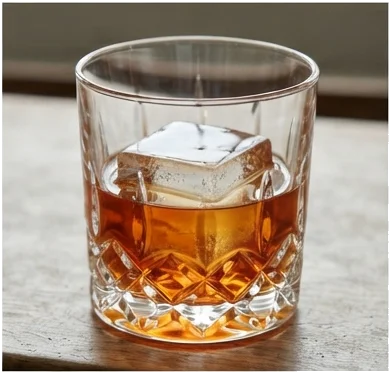
When people say “Old Fashioned,” they often mean one classic cocktail in a rocks glass. But in bar culture, the Old Fashioned is bigger than a single recipe. It is a template. It is a method for building drinks that put the base spirit first and use only small supporting elements around it.
I have always liked this style because it is direct. There is nowhere to hide. The whiskey, rum, brandy, or other spirit has to carry the drink. That is why the Old Fashioned family remains one of the clearest lessons in cocktail structure.
What Makes a Drink “Old Fashioned”
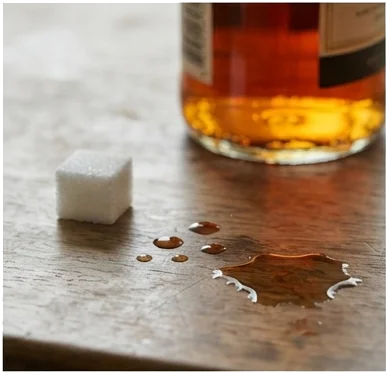
The Old Fashioned family is built on a simple idea: spirit, sugar, bitters, and water. Each part has a job. The spirit gives the character. The sugar softens the edges. The bitters add depth and contrast. The water, usually from ice melt, ties everything together.
This is why the Old Fashioned is not just a recipe. It is a framework. If you change the base spirit, change the sweetener, or change the bitters, you are still working inside the same logic. That logic has shaped many of the world’s most respected bar drinks.
The core structure
- Base spirit: the main flavor and strength
- Sweetener: a small amount to smooth bitterness and alcohol heat
- Bitters: seasoning that adds structure and length
- Dilution: controlled water from stirring or ice
This balance is what makes the style so elegant. It is not about sweetness or garnish. It is about precision.
Why Bitters Matter So Much
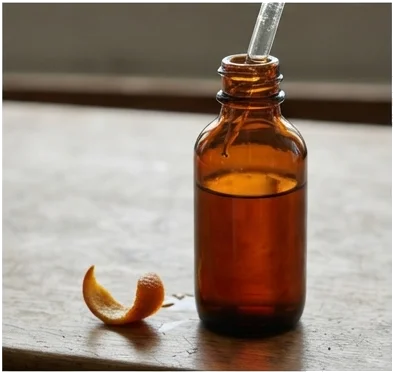
Bitters are often treated like a finishing touch, but in an Old Fashioned-style drink they are structural. They give the cocktail shape. Without bitters, the drink can feel flat or overly sweet. With the right bitters, the spirit tastes more complete.
Think of bitters as seasoning in cooking. A small amount changes the whole impression. Angostura is the classic choice, but other bitters can push the drink in new directions. Orange bitters bring lift. Chocolate bitters can deepen dark spirits. Aromatic bitters add spice and tension.
My practical tip is simple: do not overdo it. Too many bitters can make the drink feel busy. One or two well-chosen dashes are often enough. The goal is support, not domination.
How Dilution Shapes the Drink
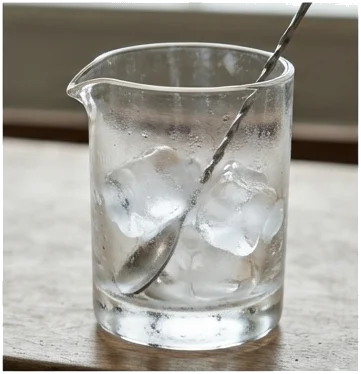
Dilution is one of the most important parts of spirit-forward drinks, yet it is easy to overlook. In an Old Fashioned, ice is not just for chilling. It is part of the recipe. As the ice melts, the drink opens up. The alcohol heat softens. The sweetness becomes less sharp. The aromas become easier to notice.
This is why stirring matters. A properly stirred Old Fashioned should taste integrated, not harsh. Too little dilution makes the drink tight and aggressive. Too much dilution makes it watery and dull. The sweet spot depends on the spirit, the ice, and the glassware.
I prefer a large cube or a big clear block if I have one. It melts slowly and keeps the drink stable. If I want a more expressive first sip, I stir a little longer and let the cocktail settle for a minute before drinking.
The Old Fashioned Family Beyond Whiskey
Whiskey is the most famous base, but the family is wider than bourbon or rye. Any strong spirit can work if it has enough character. That is what makes this style so useful in bars around the world.
Common variations
- Bourbon Old Fashioned: round, sweet, and vanilla-driven
- Rye Old Fashioned: drier, spicier, and sharper
- Rum Old Fashioned: often richer, with molasses or tropical notes
- Brandy Old Fashioned: softer and fruitier, especially in regional traditions
- Tequila or mezcal Old Fashioned: earthy, agave-driven, and modern
Each version changes the balance slightly. A bourbon version can handle more sweetness. A rye version often needs less. A rum version may benefit from darker bitters. A smoky mezcal version can be beautiful with a cleaner, lighter sweetener.
Old Fashioned vs. Sour-Style Cocktails
The clearest way to understand the Old Fashioned family is to compare it with Sour-style cocktails. Both are classic templates. Both are balanced. But they solve the problem of balance in different ways. For a different kind of stirred classic, Martini style drinks show how a spirit-forward build can stay clean and precise.
A Sour-style drink usually follows a structure like spirit, citrus, and sweetener. The citrus is essential. It brings brightness and acidity. That acidity creates a lively, refreshing profile. A Whiskey Sour, Daiquiri, Margarita, or Sidecar all live in this world.
An Old Fashioned-style drink does not rely on citrus. It is not built on freshness and snap. It is built on depth and tension. Bitters provide the edge instead of lemon or lime. Dilution plays a bigger role in softening the drink without changing its core into something sharp and acidic.
Key differences at a glance
- Old Fashioned: spirit-first, low in sweetness, bitter, and layered
- Sour: spirit, citrus, sweet, bright, and high contrast
- Old Fashioned: structure comes from bitters and dilution
- Sour: structure comes from acid and sugar
- Old Fashioned: slow and contemplative
- Sour: lively and refreshing
In simple terms, the Sour wakes the palate up. The Old Fashioned settles it down and invites attention. Both are essential. They just speak different cocktail languages.
Choosing the Right Sweetener
Sugar is not always just white sugar. In the Old Fashioned family, sweetener choice changes the entire tone of the drink. A sugar cube gives a classic profile. Simple syrup mixes more easily. Demerara syrup adds weight and a light molasses note. Honey or maple can push the drink into richer territory.
My advice is to match the sweetener to the spirit. Bourbon often works well with demerara. Rye can be excellent with a clean syrup that does not add too much extra flavor. Dark rum can support deeper sweeteners like molasses or rich syrup.
Why the Old Fashioned Endures
The Old Fashioned family has lasted because it is honest. It respects the base spirit. It rewards small adjustments. It teaches the bartender to think in terms of proportion rather than decoration. A cocktail family chart can make it easier to see how the Old Fashioned sits alongside other classic structures.
For guests, that makes the drink feel timeless. For bartenders, it is a useful test of skill. If you can make a good spirit-forward drink, you understand balance. If you can control bitters and dilution, you understand restraint.
That is one reason I still recommend the Old Fashioned as a starting point for anyone learning classic cocktails. It shows how little you need when the structure is right. It also shows how much difference one dash of bitters or one extra stir can make.
Practical Tips for Better Spirit-Forward Drinks
- Use a spirit with enough flavor to stand on its own.
- Stir until the drink feels integrated, not just cold.
- Choose bitters that complement the base spirit.
- Keep sweetness restrained.
- Use good ice, because dilution is part of the design.
- Taste the drink after a minute in the glass. It often improves as it rests.
The Old Fashioned family is not about nostalgia alone. It is about clarity. It shows how a cocktail can be built with a few ingredients and still feel complete. If the Sour is bright conversation, the Old Fashioned is a measured monologue. Both have their place. But when you want to understand the logic of spirit-forward drinks, the Old Fashioned is the place to start.
Leave a Reply