The Sour Family: Why Spirit, Citrus, and Sweetener Work
When I talk about cocktail structure, I often start with the Sour family. It is one of the clearest and most useful entry points into bar culture. The reason is simple. A Sour shows you how a cocktail is built from a few basic parts, and how those parts support each other. A simple cocktail family chart can help you compare the Sour with other classic drink structures at a glance.
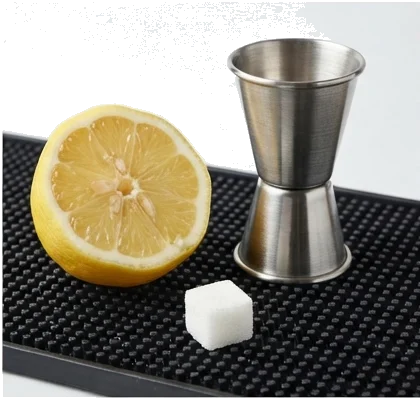
At its core, a Sour is made of spirit, citrus, and sweetener. That is the blueprint. Once you understand this triangle, a lot of classic cocktails become easier to read, make, and improve. You stop memorizing drinks as isolated recipes. Instead, you start seeing patterns.
Why the Sour Formula Matters
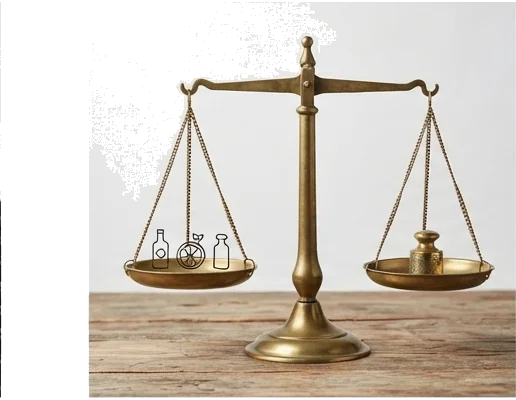
The Sour family is valuable because it teaches balance. A cocktail is not just strong or sweet or tart. It should feel complete. The spirit gives weight and character. The citrus gives freshness and lift. The sweetener rounds the edges and keeps the drink from becoming too sharp.
This is why the Sour is such a strong starting point for anyone learning cocktails. It is forgiving, but it is also precise. Small changes make a big difference. If you understand how these three parts interact, you can make better drinks at home and read a bar menu with more confidence.
In my experience, the Sour is also one of the best ways to taste a spirit. A good base spirit still needs support, but it should remain visible in the finished drink. A well-made Sour lets you taste both structure and personality at the same time.
The Three Building Blocks
1. Spirit
The spirit is the backbone. It gives the drink its identity. Bourbon, rye, gin, rum, tequila, brandy, and pisco all work beautifully in Sour-style drinks. Each one changes the mood of the cocktail.
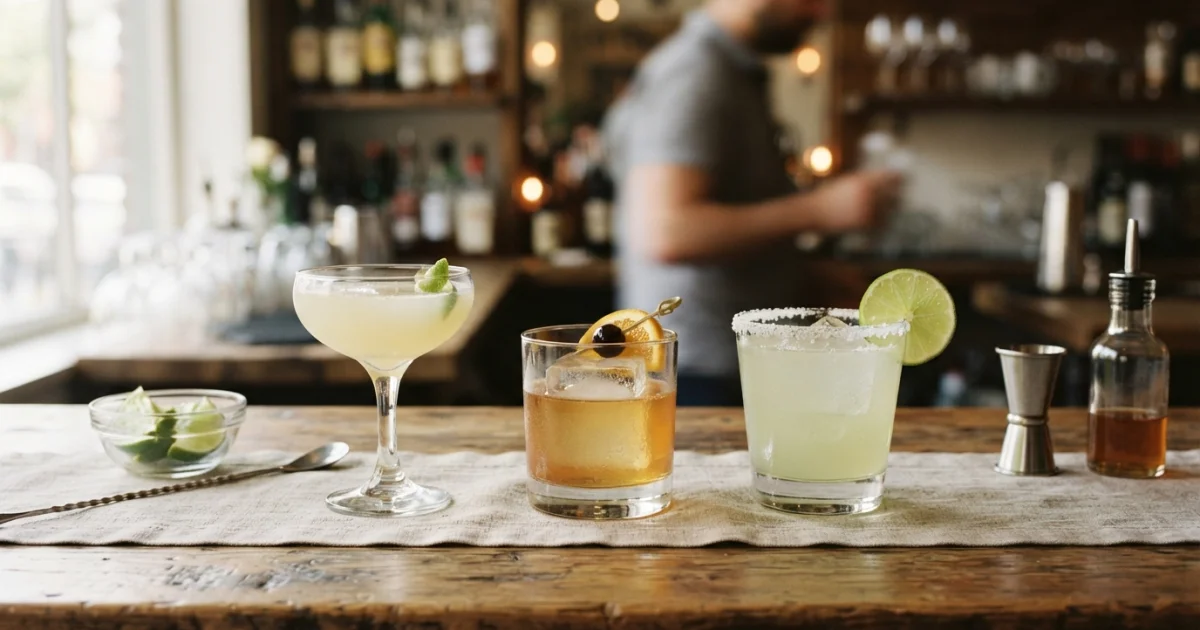
A whiskey Sour feels round and deep. A Gin Sour feels brighter and more aromatic. A Daiquiri, which uses rum, feels crisp and direct. The format stays the same, but the result shifts with the spirit.
2. Citrus
Citrus brings acidity. It wakes up the palate. It also keeps the drink from feeling heavy. Lemon is the most common choice in Sour drinks, but lime and other citrus fruits work too.
Fresh juice matters. Bottled juice usually tastes flat and dull. If you want the drink to feel alive, squeeze the citrus just before mixing. This is one of the easiest upgrades you can make at home.
3. Sweetener
Sweetener balances the sharpness of the citrus. It can be simple syrup, honey syrup, agave syrup, maple syrup, or even sugar itself, depending on the recipe. The sweetener should not make the drink sugary. It should smooth the edges and create harmony.
Different sweeteners also bring their own flavor. Simple syrup is clean and neutral. Honey adds depth. Agave can feel soft and round. These details matter, especially when you want the spirit to remain clear in the glass.
Shaking: The Technique That Pulls It Together
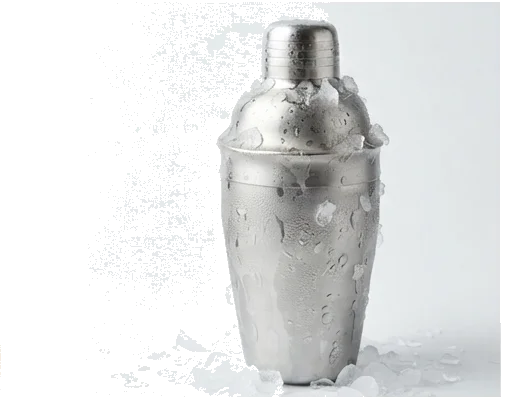
Most Sour drinks are shaken. That is because they usually contain citrus juice, and citrus needs strong mixing to integrate with the spirit and sweetener. Shaking chills the drink quickly, dilutes it slightly, and gives it a smooth texture.
A proper shake is not just about speed. It is about control. Use enough ice. Shake hard. You want the ingredients to combine fully and the drink to become bright and cold. If the shake is weak, the texture will feel loose and the balance may seem off.
My practical tip: shake until the outside of the tin feels very cold and frosty. That is usually a good sign the drink is ready. Another useful trick is to taste and adjust before serving if you are making a batch or testing a new recipe. A few drops of citrus or syrup can change everything.
Balance: The Real Goal of Every Sour
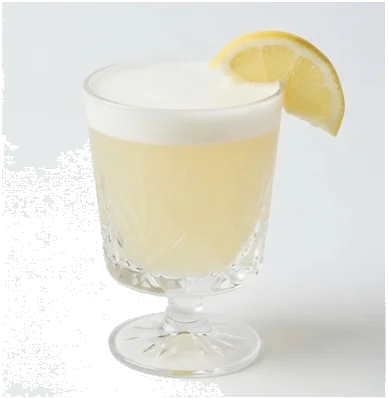
Balance is what makes the Sour family so useful. The best Sour drinks do not taste like separate ingredients. They taste like one complete drink. The spirit should not dominate so much that the citrus disappears. The citrus should not be so strong that it becomes harsh. The sweetener should not turn the drink into dessert.
This balance is personal too. Some people like a sharper Sour. Others prefer a softer, rounder version. That is part of the fun. If you know the structure, you can adjust it to your own taste.
One simple rule I use: if the drink feels too sour, add a little sweetener. If it feels too flat, add a bit more citrus. If it feels too busy, reduce one element and let the spirit speak more clearly. Small corrections go a long way.
Familiar Classics Built on the Same Pattern
Once you understand the Sour formula, many classic cocktails become easy to identify. They may have extra ingredients, but the structure is still there.
Whiskey Sour
This is one of the most famous examples. Whiskey, lemon juice, and sweetener create a drink that is bold, refreshing, and easy to recognize. Sometimes egg white is added for texture, which makes the drink smoother and more elegant. But the core still follows the Sour pattern.
Daiquiri
The Daiquiri is a perfect lesson in simplicity. Rum, lime juice, and sugar make a drink that is clean and lively. Many people think of it as a beach cocktail, but in serious bars it is treated as a classic benchmark. It shows how little you need when the balance is right.
Gin Sour
Gin brings botanicals into the Sour family. The citrus brightens the herbal notes, while the sweetener keeps the drink from becoming too sharp. This is a great example of how the formula can highlight a spirit’s character instead of hiding it.
Pisco Sour
Pisco Sour adds another layer of identity. The grape spirit has its own distinct flavor, and the citrus and sweetener make it more accessible. In many versions, egg white is included, which gives the drink a silky top and a beautiful foam.
Amaretto Sour
This one shows how the family can stretch. Amaretto already brings sweetness and almond character, so the recipe often needs more acid and careful balance. It is a good reminder that the same structure can behave differently depending on the base ingredient.
How to Think Like a Bartender
Learning the Sour family helps you think in layers. First, choose the spirit. Then decide how much citrus brightness you want. After that, add sweetener until the drink feels complete. This is a very practical way to build cocktails.
If you are making drinks at home, start with the classic ratio and adjust from there. The exact recipe will vary by spirit and by your own taste. That is normal. Good bartending is not about rigid rules. It is about understanding how ingredients behave together.
For me, the Sour family is one of the best examples of how cocktails work in the real world. It is simple enough to learn quickly, but deep enough to keep teaching you over time. Once you know the pattern, the entire bar menu feels less mysterious.
Key Takeaways
- The Sour family is built on spirit, citrus, and sweetener.
- It is one of the best ways to learn cocktail structure.
- Shaking is important because it chills, dilutes, and blends the drink.
- Balance is the goal. No single element should overpower the others.
- Classic drinks like the Whiskey Sour, Daiquiri, and Pisco Sour all follow the same logic.
If you want to understand cocktails more deeply, start with the Sour family. It is simple, practical, and endlessly adaptable. Once you see the pattern, you will spot it everywhere.
Leave a Reply