
The Secret Life of Citrus Behind the Bar
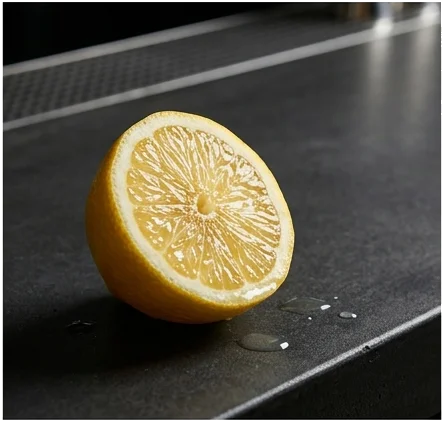
Citrus is easy to overlook because it usually shows up as a small wedge, a quick squeeze, or a strip of peel twisted over the glass. Still, behind many good cocktails there is a lemon, lime, orange, or grapefruit doing quiet work. It sharpens sweetness, softens the heat of spirits, wakes up aroma, and gives the first sip that clean snap people notice before they know why.
That is why citrus matters behind the bar and at home. It is not only “sour juice.” It is acidity, aroma, oil, texture, freshness, and timing. A drink can have good liquor and still feel flat if the citrus is tired, bottled, overused, or treated like decoration instead of an ingredient.
Why citrus does so much in a drink
The first job of citrus is balance. Lemon and lime bring acidity, and acidity keeps sweet drinks from becoming heavy. A Daiquiri without enough lime can taste like rum syrup. A Whiskey Sour without enough lemon can feel dull and sticky. On the other hand, too much citrus makes a drink sharp in a way that feels unfinished. Good balance sits somewhere between those two mistakes.
Lemon usually feels bright and direct. Lime can feel sharper, greener, and a little more herbal. Orange brings softness and aroma more than aggressive acidity. Grapefruit has bitterness, perfume, and a dry edge that can make a drink feel more grown-up. None of these fruits behave the same way, which is why swapping one for another is not always a harmless change.
The peel matters just as much as the juice. Citrus skin holds aromatic oils, and those oils reach the nose before the drink reaches the tongue. That is why an orange twist over an Old Fashioned can change the whole mood of the glass. The drink may be the same on paper, but the first impression is different.
Fresh juice usually gives you more control
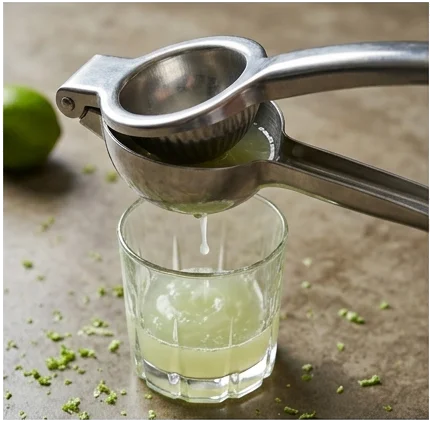
Fresh juice is not magic, but it is usually the better choice for cocktails. It tastes brighter, smells cleaner, and gives the drink a more natural edge. When you squeeze a lime or lemon, you get acidity, a little texture, and some aroma that bottled juice often loses during processing and storage.
Bottled juice can work in a pinch, especially if the goal is casual mixing and not a careful cocktail. But it often tastes flatter, harsher, or oddly preserved. Some bottles lean metallic. Others taste too uniform, almost like the fruit has been turned into a flavor idea instead of a real ingredient. In simple drinks, that difference is easy to notice.
For a small home bar night, the practical move is simple: buy a few fresh lemons and limes, juice only what you need, and keep the rest cold. You do not need a complicated setup. A hand press, a small knife, and a little patience are enough. The drink will usually tell you the difference before anyone says a word.
How to use zest without overdoing it
The outer skin of citrus fruit is full of oil. When a bartender twists a lemon peel or orange peel over a drink, the goal is not only to make the glass look finished. The goal is to release a fine mist of oil across the surface. That tiny layer of aroma can make the first sip feel brighter, warmer, or more polished.
Simple ways to work with citrus peel
- Use the colorful outer layer: Try to avoid too much white pith, because it can bring bitterness without much aroma.
- Express the peel over the drink: Hold it skin-side down and bend it firmly so the oil lands on the surface.
- Rub the rim lightly: A quick pass around the glass can make the aroma appear before the first sip.
- Keep the garnish useful: A peel should add scent and mood, not turn the drink into a fruit salad.
There is no need to decorate every cocktail like a competition entry. A neat orange twist in a rocks glass can do more than three pieces of fruit balanced on the rim. Citrus works best when it feels intentional.
Lemon, lime, orange, and grapefruit all have their place
Lemon is the backbone of many sours. It works well with whiskey, gin, brandy, and plenty of liqueurs because it gives a clean brightness without taking over completely. Lime feels more tropical and sharper, which is why it sits so naturally in Daiquiris, Margaritas, Gimlets, and rum drinks.
Orange is a different tool. Orange juice can make drinks softer and rounder, while orange peel adds aroma without much acidity. Grapefruit lives somewhere between citrus and bitterness. It can make a Paloma feel crisp, or give a gin drink a dry, slightly bitter lift that keeps it from tasting too sweet.
More unusual citrus, like blood orange, yuzu, pomelo, or Meyer lemon, can be fun to explore. Just avoid treating them like direct replacements in every recipe. A yuzu drink may need less juice. Blood orange may need more acidity. Pomelo can be fragrant but gentle. The fruit should guide the recipe, not the other way around.
When citrus goes wrong
Citrus can ruin a drink just as quickly as it can save one. Too much lime makes a cocktail feel thin and aggressive. Too much lemon can make whiskey taste harsh. Old juice can taste tired even when everything else in the glass is good. A giant wedge sitting in the drink for too long can add bitterness and pulp where neither is needed.
- The drink tastes sharp but not refreshing.
- The citrus covers the base spirit completely.
- The finish feels bitter in a dull, pithy way.
- The drink smells flat before the first sip.
- The sugar and acidity feel like they are fighting instead of balancing.
Most of these problems are easy to fix. Add citrus slowly. Taste before serving. Use peel when aroma is enough and juice when the drink truly needs acidity. A good cocktail is often less about adding more and more about stopping at the right moment.
A simple Daiquiri test
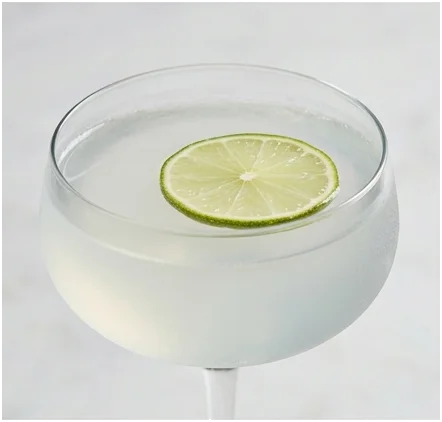
The Daiquiri is a useful test because it has nowhere to hide. Rum, lime, and sugar. That is it. If the lime is stale, the drink feels flat. If the syrup is too heavy, the drink becomes soft and sticky. If the balance is right, the cocktail feels clean, cold, and gone too quickly.
- 60 ml white rum
- 25 to 30 ml fresh lime juice
- 15 to 20 ml simple syrup
- Shake with plenty of ice for about 10 seconds.
- Double strain into a chilled coupe glass.
- Garnish with a small lime wheel or a modest lime peel.
The exact amount of lime and syrup can shift depending on the fruit. Some limes are sharp. Some are quiet. Some are almost dry inside. That is why tasting matters more than memorizing numbers. A recipe gives you the road, but the fruit tells you how fast to drive.
Storing citrus at home
For home mixing, citrus does not need much ceremony. Keep whole fruit in the refrigerator if you are not using it the same day. Bring it to room temperature before juicing if you want a little more yield. Roll it gently on the counter before cutting. Juice close to serving time when possible.
Already squeezed juice should be kept cold and used fairly quickly. It will not collapse after five minutes, but it does lose brightness as it sits. If you are hosting, squeeze a small batch before guests arrive, then make more later if needed. That is better than juicing a huge amount hours ahead and hoping it still tastes alive.
Citrus also helps with pacing
Citrus-forward drinks often feel refreshing, but that does not make them harmless. A cold sour or highball can disappear quickly, especially at a busy table with snacks and music. Good bar culture includes pacing, water, food, and measured pours. A bright drink should still be treated like a real drink.
Keeping water nearby, serving food early, and offering alcohol-free citrus drinks makes the evening easier for everyone. Lemon, lime, grapefruit, herbs, tonic, soda, tea, and bitters-style alternatives can build a good zero-proof glass without making it feel like an afterthought. For a relaxed home bar night, focus on simple drinks, good music, and easy pacing, and treat home bar night as a chance to keep guests comfortable.
The small fruit that changes the whole glass
Citrus is one of those ingredients that looks ordinary until it is missing. A lime on the counter, a lemon peel over a coupe, an orange twist snapped above whiskey, a grapefruit wedge beside a Paloma: small details, big difference. Behind the bar, that is often how good drinks work.
Treat citrus with a little care. Use fresh fruit when it matters, respect the peel, taste before serving, and do not bury the drink under sourness. When the balance is right, nobody at the bar needs a speech about acidity or oils. They just take the first sip and understand.
Leave a Reply