How to Build a Relaxed Bar Night at Home: Drinks, Music and Digital Entertainment
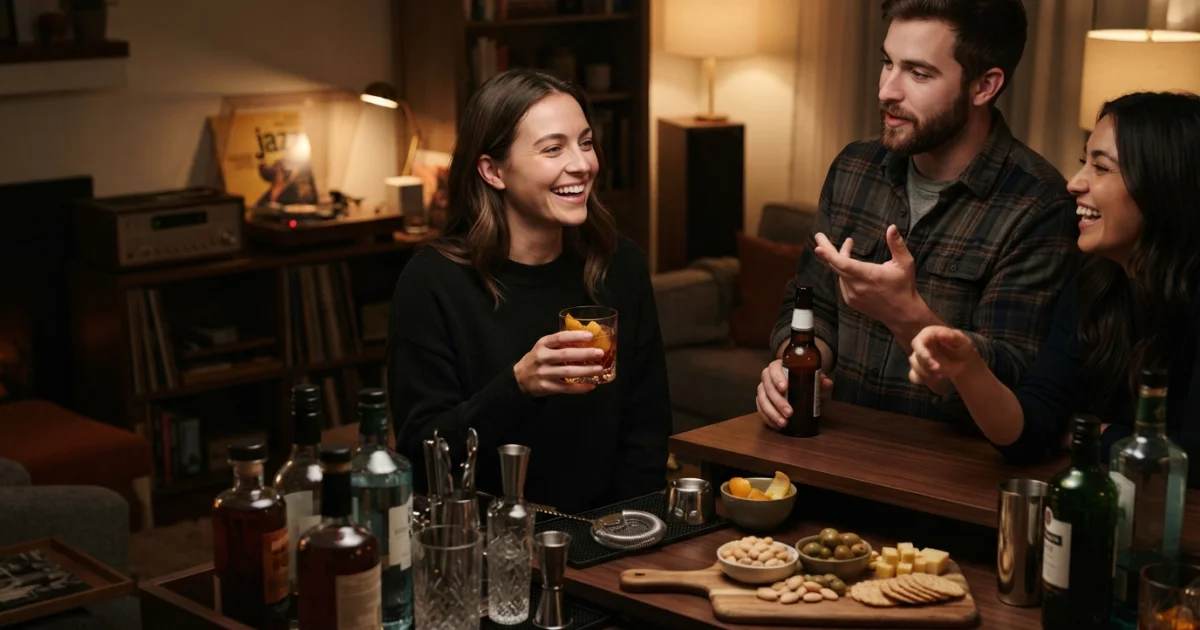
A calm bar night at home can feel just as satisfying as a good evening out. The best versions usually do not depend on a huge drinks list or an elaborate setup. A few well-chosen drinks, the right music, warm lighting, simple snacks, and enough space for conversation can turn an ordinary evening into something memorable.
The goal is not to copy a busy bar. It is to borrow the parts that make a bar night enjoyable: a clear mood, a manageable drink menu, comfortable pacing, and a few optional forms of entertainment. A home bar night works best when the atmosphere stays relaxed and no single element takes over the room.
You Do Not Need a Full Bar
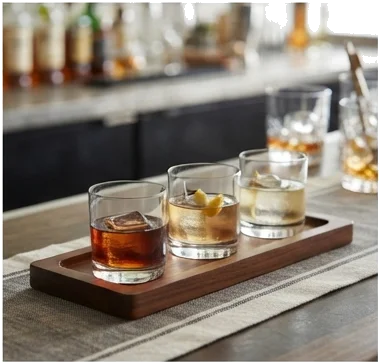
A good home bar setup can stay simple. There is no need for a large liquor collection, specialized equipment, or a long menu of complicated cocktails. A few versatile ingredients are usually enough to offer different styles without turning the evening into a full-scale service operation. For spirit-forward drinks, the old fashioned family is a useful place to start because it keeps the focus on the base spirit, bitters, and balance. If you want more easy ideas, simple cocktails can help you build a varied menu without adding much extra effort.
A practical approach is to prepare one spirit-forward option, one lighter long drink, and one non-alcoholic choice. That gives guests variety while keeping preparation manageable and leaving more time for conversation and music.
Keep the Drink Menu Short
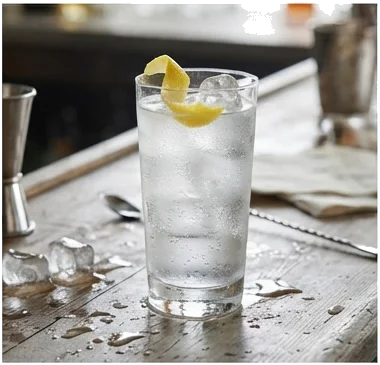
A short menu is easier to manage and usually creates a more relaxed experience. Instead of offering many recipes, focus on a few drinks that are easy to make consistently. If you want more structure, cocktail families can help you choose drinks that fit the mood without overcomplicating the night.
- Classic highball: whisky, soda water, and a strip of citrus.
- Gin and tonic: a straightforward long drink that can be served with citrus or herbs.
- Non-alcoholic spritz: sparkling water, citrus, and a bitter-style aperitif alternative.
Preparing one drink in advance can also reduce time spent behind the counter. If a cocktail is suitable for batching, keeping the recipe simple and measured can make serving easier without making alcohol the main focus of the night.
Smaller serves can make it easier to offer variety without encouraging the evening to revolve around drinking. Keep chilled mixers, clean glassware, ice, and water easy to reach so both alcoholic and non-alcoholic choices feel equally natural.
Music Should Support the Room
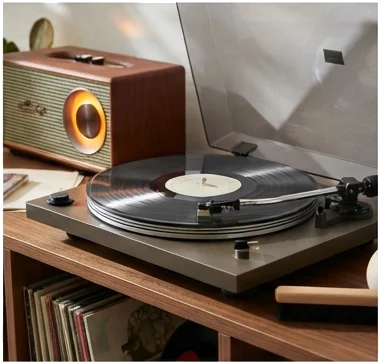
Music is one of the strongest parts of the atmosphere. A well-built playlist can make a living room feel more intentional without becoming distracting. Soft jazz, mellow soul, nu-disco, classic lounge, low-key electronic music, or relaxed rock can all work depending on the mood.
- Start with calmer tracks and let the energy rise gradually if the room does.
- Keep the volume low enough for easy conversation.
- Avoid sudden jumps in style or intensity.
- Choose music that supports the setting instead of demanding attention.
The key is consistency. Music should help connect the drinks, lighting, and conversation rather than compete with them.
Lighting Changes the Mood More Than You Think
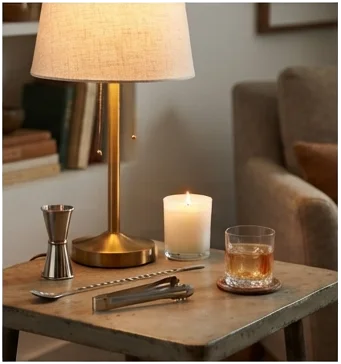
Lighting has a major effect on how a home bar night feels. Bright overhead lights can make the room feel functional rather than relaxed, while softer sources create a more intimate atmosphere.
Table lamps, warm bulbs, and safely placed candles can create layers of light without making the space too dark. It also helps to keep the drink station visible and easy to use, especially if guests are serving water or non-alcoholic drinks themselves.
A simple rule is to avoid lighting that feels like daytime. The room should remain comfortable and practical, but slightly softer than the usual household setup.
Food, Water and Pacing Matter
Simple snacks make the table more comfortable and give guests something to share alongside both alcoholic and non-alcoholic drinks. They do not need to be elaborate.
- Marinated olives
- Roasted nuts
- Potato chips with dip
- Cheese and crackers
- Small skewers with grapes, cheese, or cured meats
- Popcorn with herbs or seasoning
A small grazing board can work well if you want everything in one place. The point is not to design food around drinking more, but to create a balanced table where snacks, water, and other beverages remain easy to reach.
There is also no need to plan the evening around rounds. Let drinks appear naturally, keep water available throughout the night, and make non-alcoholic options easy to choose at any point. A relaxed evening should feel flexible rather than scheduled.
| Part of the Night | Simple Option | Why It Works |
|---|---|---|
| Drinks | 2–3 simple options plus a zero-proof choice | Keeps preparation manageable |
| Music | Low-volume playlist | Supports conversation without taking over |
| Food | Small snacks and shared plates | Gives the table variety without extra complexity |
| Offline entertainment | Cards, conversation, vinyl, or a movie | Creates activity without constant screen use |
| Digital entertainment | Streaming, casual games, or adult platforms | Adds another optional form of leisure |
Conversation and Offline Entertainment
Good conversation is one of the strongest parts of a home bar night. You do not need a formal tasting or a detailed program. A comfortable room and a few easy topics are usually enough.
Travel, music, favorite bars, movies, food, or memorable drinks are easy starting points. If conversation slows down, low-pressure entertainment can help without changing the mood too much.
- Card games
- Trivia cards
- Vinyl listening sessions
- Simple board games
- Bar-inspired photo books or cocktail books
The best options are the ones that stay secondary. Entertainment should support the evening rather than turn into the only reason everyone is there.
Digital Entertainment Can Have a Place Too
Digital entertainment can fit into the evening as long as it does not take over the room. A curated streaming playlist, a live music session, a cocktail video, or a casual game can add variety while keeping the atmosphere social.
Some adults also use online gaming platforms as part of their personal leisure time. A site such as spincrypto.org is one example of a platform in that broader adult digital entertainment category.
That kind of activity is fundamentally different from music, video, or casual games because it can involve real money. It should therefore be treated separately and approached with clear limits.
Real-Money Gaming Requires Clear Limits
Online gambling should be treated only as entertainment for adults, never as a source of income, an investment, or a way to recover losses. Anyone choosing to use a real-money gaming platform should decide on a time limit and an entertainment budget before starting.
Money needed for rent, food, bills, transportation, or other essential expenses should never be part of a gambling budget. Chasing losses or increasing spending because of a previous result can quickly turn a recreational activity into something more stressful.
If the activity stops feeling optional or enjoyable, that is a good reason to stop rather than extend the session.
Keep Alcohol and Gambling Separate
If real-money gaming is part of someone’s evening, it should be kept separate from alcohol consumption. Decisions involving money are better made with a clear head, without the effects of drinking influencing judgment or spending.
This separation also helps preserve the tone of the home bar night. Drinks can remain part of social bar culture, while real-money gaming stays an individual, optional activity with its own boundaries.
Know When the Night Is Done
A good bar night usually ends softly. Water, a quieter playlist, a little cleanup, and a final conversation can bring the evening to a natural close without the need to keep adding drinks or activities.
It can also be useful to notice what worked: maybe the playlist was right, the drink menu was easier than expected, or the lighting made the room feel more comfortable. Those small details can improve the next evening without making the setup more complicated.
At-home bar culture is really about balance. Keep the menu short, the sound warm, the space comfortable, and the entertainment optional. The strongest evenings are usually the ones that feel easy rather than overplanned.
Frequently Asked Questions
How many drinks should you serve at a home bar night?
A short menu of two or three simple drinks plus a non-alcoholic option is usually enough. The goal is to offer variety without turning the evening into a complicated bar service.
What music works best for a relaxed cocktail night?
Low-volume music with a steady mood usually works best. Jazz, soul, lounge, mellow electronic music, or relaxed rock can all support conversation when the volume stays controlled.
What food should you serve with cocktails at home?
Simple shared snacks such as olives, nuts, crackers, cheese, or small plates work well. Food should be easy to serve and enjoyable alongside both alcoholic and non-alcoholic drinks.
What can you do at a home bar night besides drinking?
Conversation, music, card games, vinyl listening, movies, trivia, and simple board games can all fit naturally into the evening. The best activities are easy to pause and do not dominate the room.
How can digital entertainment fit into an adult night at home?
Streaming, live music, casual games, and other digital activities can work as optional additions. If an activity involves real-money gaming, it should be limited to adults, kept separate from alcohol, and approached with clear limits on time and spending.
Leave a Reply