
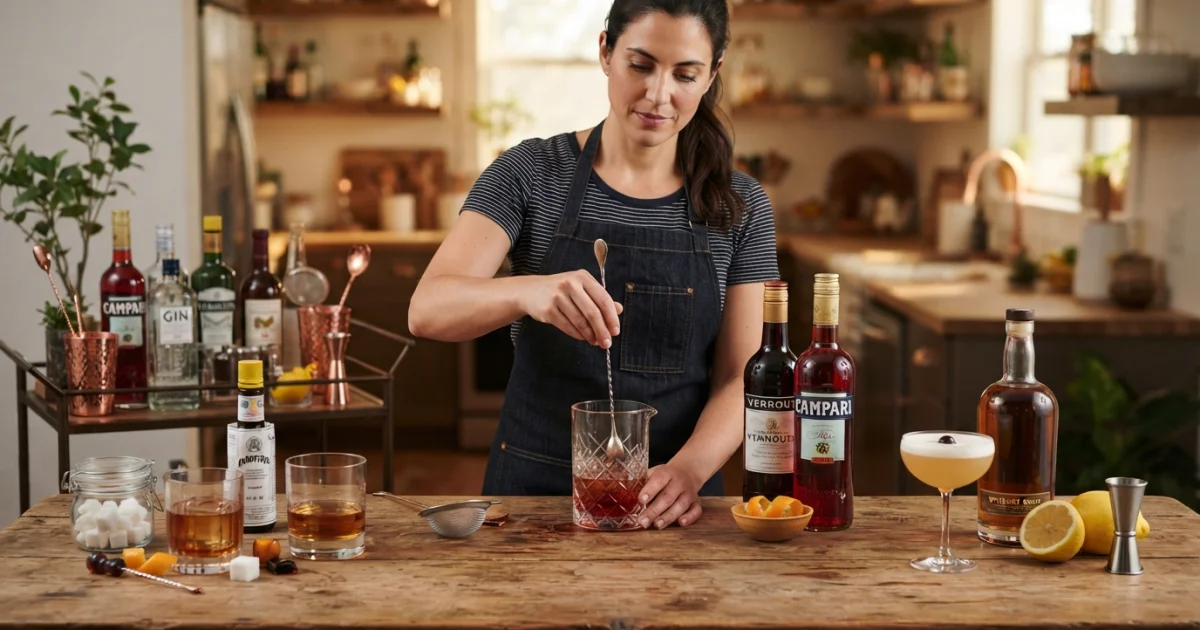
Home Bartending Made Simpler with Cocktail Families
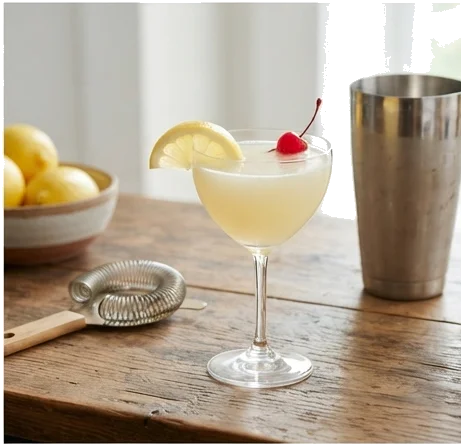
Home bartending gets easier when you stop thinking about individual recipes and start thinking in systems. That is the real advantage of cocktail families. Instead of memorizing dozens of drinks, you learn a few structures that repeat again and again. Once you understand the pattern, you can make better drinks, swap ingredients with confidence, and explore classic cocktails without feeling lost. If you are just getting started, a cocktail family chart can make those patterns much easier to see.
I always tell home bartenders the same thing: learn the shape of a drink before you worry about the exact name. A cocktail family gives you that shape. It shows you the role of the base spirit, the sweet element, the sour element, the modifier, and the lengthener. That simple approach saves time and builds skill fast.
Why Cocktail Families Work
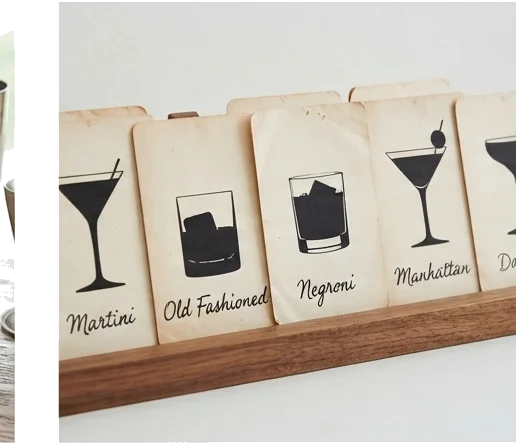
Cocktail families make bartending less about memorization and more about logic. Many classic drinks are variations of a few timeless formulas. The Sour family. The Old Fashioned style. The Martini style. The Highball. The Flip. The Daisy. The Fizz. Once you know these, you can read almost any recipe and understand it immediately.
This matters because ingredients are not always available at home. Maybe you do not have lemon, but you have lime. Maybe you are out of gin, but you have tequila. Maybe you want something lighter, drier, or more aromatic. A cocktail family helps you make smart substitutions without ruining the drink.
The Big Benefit: Flexible Substitutions
When you understand a cocktail family, substitutions stop feeling risky. You begin to ask the right questions. Is this drink built on citrus and sugar? Is it spirit-forward and stirred? Is it topped with soda? Is it meant to be bold, light, or refreshing?
That mindset makes home bartending much more practical. It also helps you use what you already have instead of buying everything at once. I think that is one of the best ways to build a home bar. Start with versatile bottles and learn how they move across families.
Simple examples of substitution thinking
- If a drink is in the Sour family, you can often change the base spirit while keeping the same balance of spirit, citrus, and sweetener.
- If you like a Martini style drink, you can move between gin, vodka, blanco tequila, or even a dry sherry base.
- If you are making a Highball, you can swap the spirit and still keep the same easy build with ice and a carbonated mixer.
- If a recipe asks for lemon and you only have lime, the drink may taste different, but the structure still works in many cases.
The Sour Family: The Best Place to Start
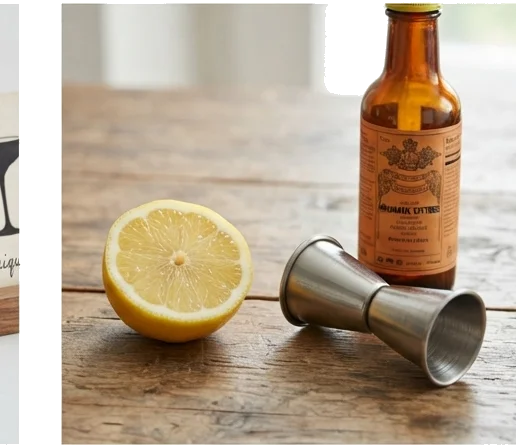
If you want one family to learn first, choose the Sour. It is one of the most useful cocktail templates in the world. The formula is simple: spirit, citrus, and sweetener. That is the backbone of drinks like the Daiquiri, Margarita, Whisky Sour, Sidecar, and many more.
The reason I recommend this family is simple. It teaches balance. It teaches you how acidity changes the drink. It also teaches you how to adjust sweetness based on the spirit you use. A rich whiskey may need a different touch than a bright white rum or a smoky mezcal.
Basic Sour formula
- 2 oz spirit
- 3/4 oz citrus juice
- 3/4 oz sweetener, such as simple syrup or liqueur
From there, you can experiment. Use lime instead of lemon. Try honey syrup instead of simple syrup. Add a small amount of egg white for texture. These changes are easy to understand because the family gives you a clear base.
The Old Fashioned Style: Spirit, Sweetness, Bitters
The Old Fashioned family is another essential category. These drinks are built around a base spirit, a little sweetness, and bitters. They are usually stirred and served over ice. Think of the Old Fashioned itself, the Rum Old Fashioned, or spirit-driven variations with amaro, syrup, or liqueur.
This family is great for learning because it shows how a small amount of sugar can round out a strong spirit. It also teaches you the power of bitters. A few dashes can add depth, spice, and structure.
Basic Old Fashioned formula
- 2 oz base spirit
- 1 tsp to 1/4 oz sweetener
- 2 to 4 dashes bitters
- Stir with ice and serve over a large cube
My practical tip: do not overcomplicate this family. Keep the drink cold, keep the dilution under control, and choose a spirit with enough character to carry the flavor.
Martini Style Drinks: Dry, Clean, and Adjustable
Martini style cocktails are another family worth knowing. These are spirit-forward drinks that are usually stirred and served up. They often combine a base spirit with a dry or aromatized modifier. A classic Martini is only one version. You also have drinks like the Gibson, the Bamboo, and other elegant variations.
This family teaches precision. Small changes matter here. A little more vermouth, a different garnish, or a different ratio can change the entire experience. That is why Martini style drinks are such a good training ground for home bartenders.
Common Martini style elements
- Base spirit, such as gin, vodka, or tequila
- Dry or fortified wine, such as dry vermouth or sherry
- Optional bitters or garnish for aroma
Personal tip: keep your vermouth fresh and refrigerated. That one habit improves these drinks more than most people expect.
Highballs: The Easiest Drinks to Master
Highballs are the most approachable family for beginners. They are built from a spirit plus a carbonated mixer. That could mean soda water, ginger beer, cola, tonic, or another bubbly ingredient. This family is ideal when you want something light, refreshing, and fast to make.
Highballs are also one of the easiest places to experiment. Change the spirit. Change the mixer. Add citrus. Add a bitter note. You can build many different drinks without making the process complicated.
Basic Highball formula
- 1.5 to 2 oz spirit
- 4 to 6 oz carbonated mixer
- Optional citrus or garnish
A Highball is perfect for warm weather, relaxed gatherings, and low-effort entertaining. It is also a smart way to use a good bottle without demanding too much from it.
How Families Help You Learn Classics Faster
Cocktail families turn classic drinks into patterns you can recognize. Instead of seeing 100 separate recipes, you start seeing repeated ideas. That makes learning faster and more enjoyable. When you taste a Daiquiri, you begin to understand the whole Sour family. When you taste a Negroni, you begin to understand bitter, stirred, equal-parts drinks. When you taste a Collins, you can see how it extends the Sour with soda water.
This is how real cocktail knowledge builds. Not through cramming. Through repetition and comparison. You learn what changes the drink and what keeps the structure intact.
A Simple Way to Practice at Home
If you want to get better quickly, choose one family and make three variations in the same session. Keep the ratios similar. Change only one ingredient at a time. Taste carefully. Write down what happens.
- Try one spirit in a Sour, then swap the spirit and taste again.
- Make one Old Fashioned with bourbon, then one with rum or rye.
- Build one Highball with soda water, then one with ginger beer.
- Compare a dry Martini style drink with a slightly wetter version.
This method trains your palate. It also removes the fear of improvisation. You begin to understand that cocktail making is not magic. It is balance, structure, and small adjustments.
Build Confidence, Not Just Recipes
Home bartending becomes much more satisfying when you move from memorizing recipes to understanding families. That shift gives you freedom. You can use what you have. You can make informed substitutions. You can recreate classic drinks more easily. Most importantly, you can start to think like a bartender instead of a recipe follower.
That is the real promise of cocktail families. They simplify the learning curve and open the door to experimentation. If you want to enjoy the process, not just the result, this is the best way to begin.
Leave a Reply