The Art of the Opening Note
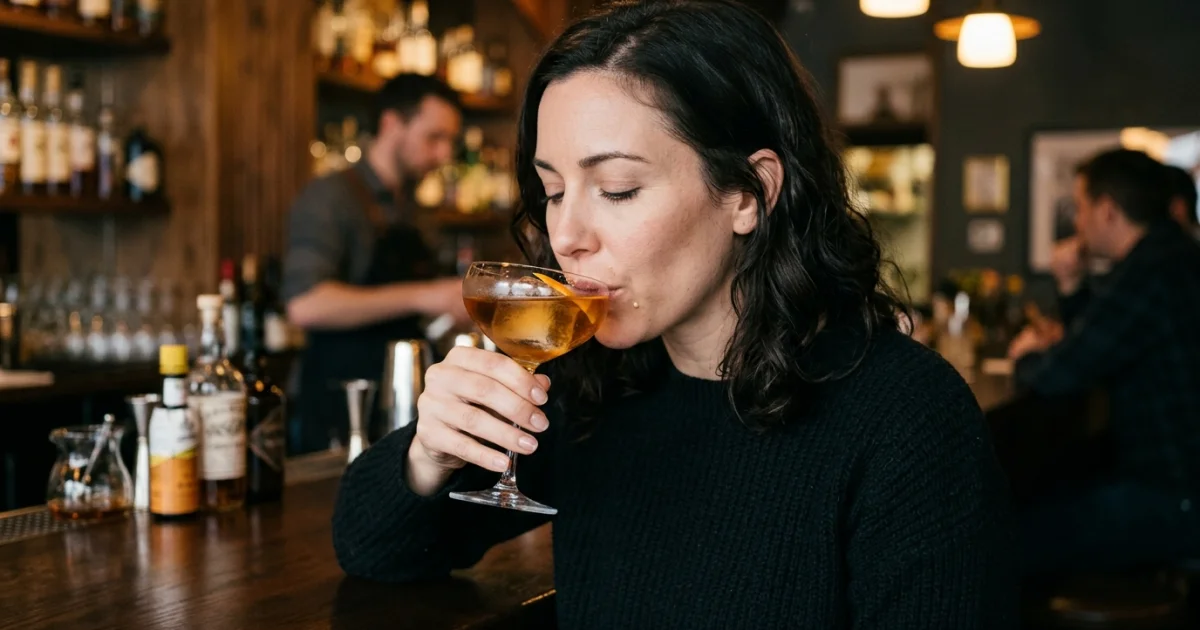
I have spent years sitting at bars from Tokyo to New York, watching people dive into their drinks. Most reach for a cocktail and take a massive, thirsty gulp. I always cringe a little. That first sip isn't just about quenching your thirst; it is the most critical interaction you will have with your drink all night. It is the moment where the liquid meets your palate, your nose, and your mind. As a bartender and enthusiast, I believe this initial contact dictates your entire experience.
When you take that first deliberate sip, you are setting the tone. If you rush it, you miss the nuance. You miss the balance the bartender worked so hard to achieve. Let’s talk about why slowing down for that first taste changes everything.
The Sensory Map of the First Sip
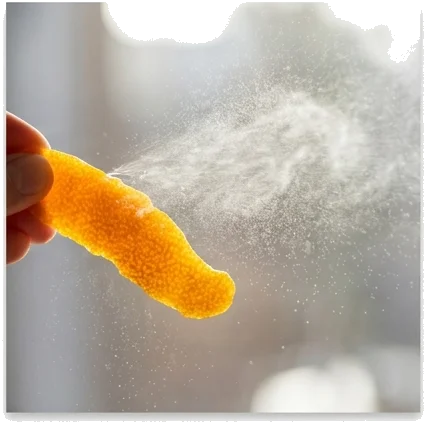
The first sip is an overwhelming data dump for your brain. Before the liquid even hits your tongue, your nose is already hard at work. This is the aromatic phase. If it is a stirred, spirit-forward cocktail like a Negroni, the oils from the orange twist hit your olfactory system first. Your brain expects a certain bitterness and botanical complexity.
Then comes the texture. Does the drink feel silky, viscous, or sharp? The temperature plays a massive role here, too. A properly chilled glass keeps the dilution in check and ensures the drink remains refreshing until the final drop. If you take that first sip slowly, you can actually feel the temperature change as the drink opens up on your tongue. This is where you discover the "soul" of the cocktail.
Evaluating Craft Through Balance
How do you know if a cocktail is masterfully made? The first sip tells the story. A well-balanced cocktail hides its components in plain sight. You should taste the harmony between the sweet, the sour, the bitter, and the spirit. If the first thing you notice is an aggressive burn of alcohol, the drink is likely imbalanced or under-stirred.
I always tell my guests to look for the "bridge." A good cocktail has a bridge—a flavor that connects the base spirit to the modifiers. In a Whiskey Sour, the lemon juice and the sugar syrup must act as a bridge for the bourbon. If the first sip feels disjointed—like you are tasting whiskey and lemon juice separately—it means the drink hasn't been integrated through proper dilution and aeration.
My Personal Ritual for the Perfect First Sip
I have a personal ritual I perform every time I order a drink at a new spot. You might find it useful to improve your own appreciation for mixology:
- Pause and Observe: Look at the clarity, the ice, and the garnish before touching the glass.
- The Aromatic Check: Lift the glass and take a gentle sniff. Don’t bury your nose in it; let the aroma rise to you.
- The "Micro-Sip": Take a tiny amount of the cocktail—just enough to coat the tongue. Don't swallow immediately. Let it sit.
- Identify the Layers: Try to pinpoint the primary note (the base), the secondary note (the modifier), and the finish (what lingers after you swallow).
Why Dilution is Your Best Friend
There is a common misconception that "stronger is better." Many people think that if a drink is "watered down," it is weak. That is incorrect. Proper dilution is the craft of cocktail making. Ice is an ingredient, not just a cooler. Without dilution, the spirit is often too harsh to allow the other flavors to shine. This same attention to detail explains why the craft of cocktail is so closely tied to the value of premium ingredients in drinks like wine-based cocktails.
When you take your first sip, you are also tasting the bartender’s calculation of that dilution. If the drink feels "flat," it might need more ice or a more vigorous stir. If it feels watery, the ice quality or the shaking technique was likely off. That first sip is your litmus test for the skill behind the bar.
Elevating Your Home Experience
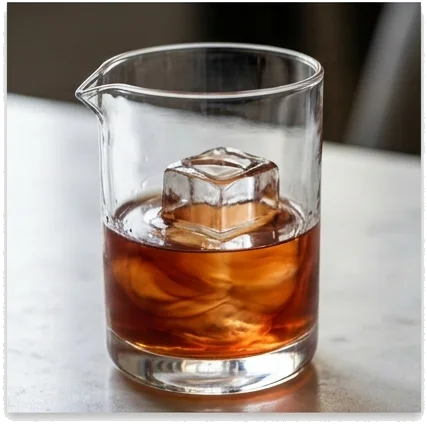
You can practice this at home to become a better home bartender. Next time you stir a simple Manhattan, pay attention to the transition of flavors. Here is a quick guide to help you focus on the quality of your own home-mixed drinks:
- Chill your glassware: A warm glass ruins the first sip immediately. Put your coupes or rocks glasses in the freezer for 15 minutes before serving.
- Use fresh ingredients: Freshly squeezed lime or lemon juice makes a world of difference compared to bottled alternatives.
- Taste before serving: Always pour a tiny amount into a separate tasting glass. If it doesn't taste good to you, it won't taste good to your guest.
- Adjust before the pour: If the first sip is too sharp, add a dash of syrup. If it is too sweet, add a splash of bitters or more citrus.
The next time you find yourself at thegatejp.com or your local neighborhood bar, remember: don't rush. Take that first sip with intention. Treat it as a conversation between you and the bartender. When you respect the first sip, you respect the craft behind it. Cheers to better drinking habits.
Leave a Reply